Stengs Reflects on Feyenoord Loss and Zechiël's Rapid Rise
Filing Date Oct 10, 2026Audience 363Byline [email protected] (Voetbal International)
Stengs shares disappointment over AZ's recent loss to Feyenoord while praising Zechiël's swift development in the team.
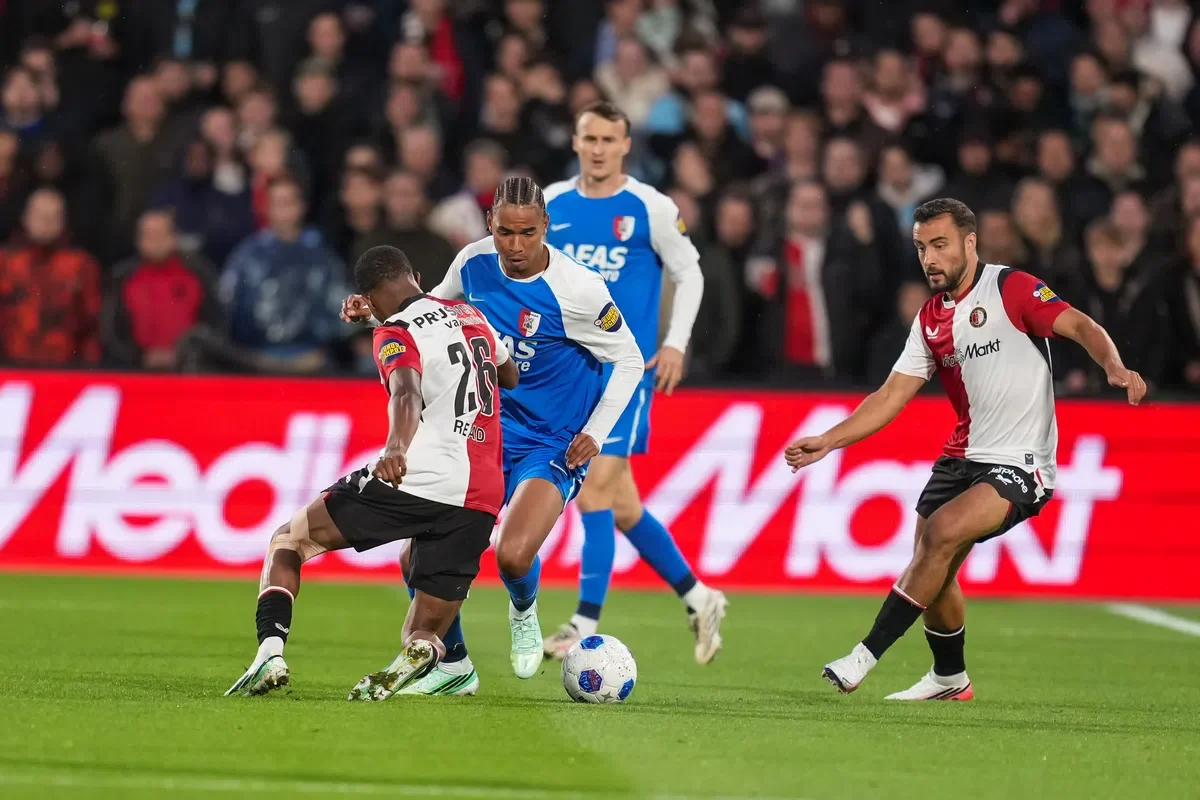
After AZ's recent match against Feyenoord, Stengs expressed his frustration over the outcome during an interview with ESPN. He noted, "It feels like you're playing well, but in the end, you still fall short." The sentiment he's sharing isn't unique; it's a reflection of the intense pressure athletes face to deliver results week after week. Stengs recounted how the team had discussed prior to the game how often such disappointments happen at De Kuip, a venue renowned for its passionate atmosphere but equally challenging for visiting teams. "In the second half, we played well and outperformed them, but we didn't create any significant chances. Maybe they let us do that, waiting for their moment to counterattack. It's just a shame," he lamented. This admission underscores a common narrative in sports: possessing the ball and executing well doesn’t always translate to scoring.
The Emotional Toll of Competition
What Stengs is grappling with isn't just about points on a table; it's about the emotional rollercoaster athletes endure. From training hard all week to putting their skills to the test in front of thousands of fans, expectations weigh heavy. For many, like Stengs, the disappointment of losing can overshadow even a commendable performance. Football is as much a mental game as a physical one, and this match evidently took its toll on the AZ midfielder. The psychological aspect becomes an undercurrent throughout the daily grind of a professional athlete's life. The heartache of falling short after a commendable display can leave players second-guessing their decisions and abilities.
A Personal Return to De Kuip
Returning to De Kuip, where he spent three years under contract with Feyenoord, the 27-year-old midfielder reflected on his experience. "Losing never feels good. Still, it's nice to reconnect with old friends and acquaintances. You do keep in touch with some of the Feyenoord players, and that's always enjoyable," he said. This is the human side of sports that often gets overlooked. While fans typically focus on the performance, players bear the weight of their past associations. Stengs’ acknowledgment of friendships indicates that, for many athletes, the sport is as much about connections as it is about competition.
The past three years at Feyenoord undoubtedly shaped Stengs as a player and a person. For many athletes, the transition from one club to another isn't merely a change in jersey color; it involves moving away from familiar faces and shifting to a different club culture. The friendships made during one’s formative years can have a lasting impact, providing both emotional support and a network of contacts. It illustrates how closely knit sports communities can be, where bonds formed over shared victories and losses persist long after contracts end.
Younger Talent: A Glimpse into the Future
The conversation then shifted to the promising young player, Zechiël, and his growth within the squad. Stengs joked about Zechiël's performance, saying, "Not great," with a wink, before getting serious. "His development is impressive. When I played at Feyenoord, he was just starting to make his mark from the youth ranks. I didn't have to hold his hand; he was confident enough to blend in with the guys. Initially, he hesitated to join us at the table, opting to sit elsewhere," Stengs recalled. This snapshot of Zechiël’s early days underscores the transition young athletes face when stepping into the professional arena.
Stengs’s account is enlightening. It paints a picture of a young player grappling with confidence but gradually finding his place. If you're working in this space, you know that the journey from talent to seasoned player can be fraught with difficulties. Zechiël's early reluctance to mix with older, more experienced teammates is not uncommon; many young players experience self-doubt. And yet, what’s most significant is how the environment can cultivate or stifle that potential.
Mindset Matters: Navigating Pressure and Growth
He continued, "It was only after we invited him that he started sitting with us. It's fantastic to witness how quickly he's advancing. He has made smart choices, like going to Sparta and then FC Utrecht on loan. Now, he’s even part of the national team." This statement encapsulates how young talents often negotiate their pathways through strategic loans and experiences to build resilience and hone their skills. The optimism surrounding Zechiël's future illustrates the potential for rapid growth in young talents within the sport.
This raises an interesting point regarding player development in football. Many clubs are recognizing the importance of fostering young talent and offering strategic opportunities to maximize growth. The ongoing investment in youth academies reflects a broader understanding that nurturing young players can yield long-term benefits—for both the individual and the club. If clubs can provide the right environment, you may just see the next big star emerging from their ranks.
Looking Ahead: The Future Implications
As competition heats up in leagues across Europe, the experiences of players like Stengs and Zechiël highlight critical issues about talent development and team dynamics. Their stories embody not just individual journeys but also the broader implications for clubs in retaining and nurturing talent. What this means for you, the reader, is a glimpse into the intricate balance of competition and cooperation within professional football.
The emotional dynamics at play, the support networks among players, and the strategies for youth development could all shift the trajectories of clubs and players alike. Clubs that disregard these elements risk losing not only potential stars but also the chance to cultivate a culture of camaraderie and resilience. After all, success is more than numbers on a scoreboard; it’s about the people who forge lasting bonds while striving to achieve greatness. And who knows? The right blend of talent and teamwork might just be around the corner.
Discussion
Sign in to join the discussion.