Sharon and Jack Osbourne are criticized for their AI project featuring Ozzy, with fans labeling it a cash grab, while they defend the initiative's intent.
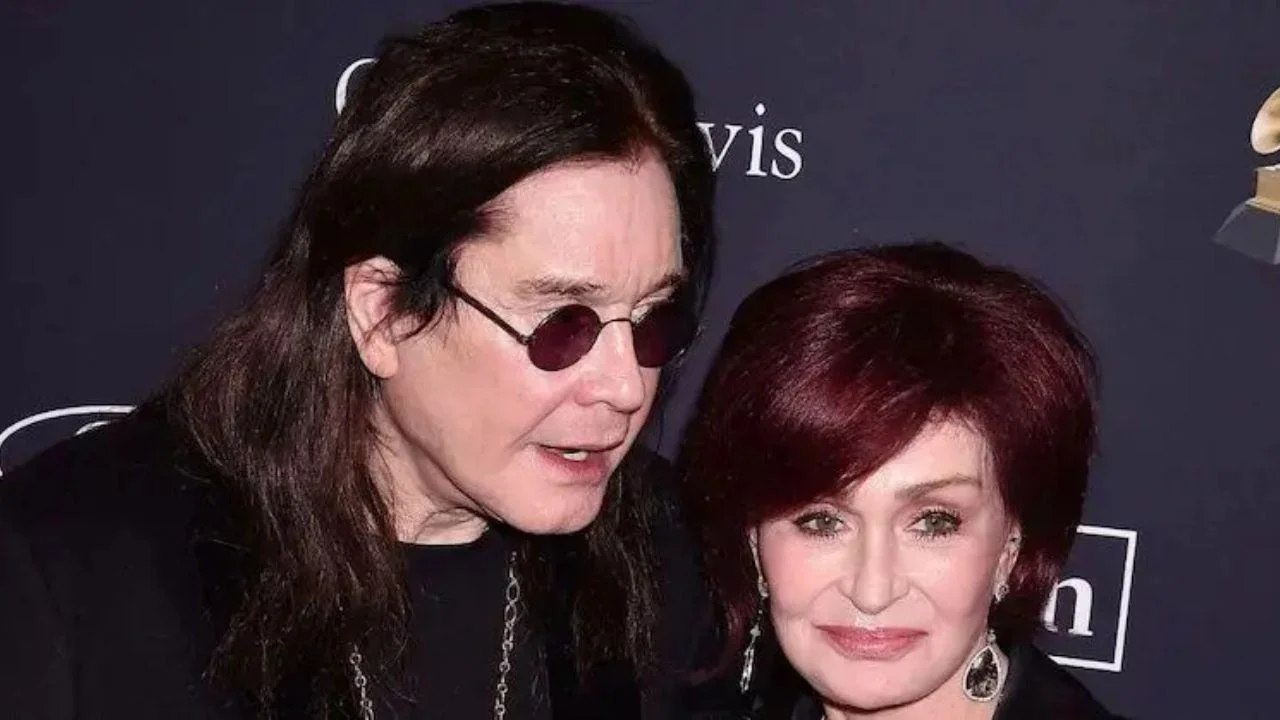
Ozzy Osbourne's family has recently come under fire for their initiative to create an AI-generated avatar of the late rock icon, leading to allegations of exploiting his legacy for profit.
Sharon and Jack Osbourne's AI Vision
During a Las Vegas trade show in May, Sharon Osbourne and her son, Jack Osbourne, unveiled plans to develop a virtual version of Ozzy Osbourne. This digital avatar would essentially embody his "digital DNA," encompassing his voice, image, and movements. Sharon, 73, expressed her aspirations: "You can ask Ozzy anything, and he will answer you in his own voice. We’re going to take it all around the world," she enthusiastically stated, drawing a parallel to the enduring popularity of Elvis Presley. "Elvis died 50 years ago, and everybody knows Elvis. I just want that for Ozzy."
This vision highlights an intriguing intersection of technology and nostalgia in the music industry. The desire to keep an artist's spirit alive through digital means captures a growing trend where musicians are utilizing technology to extend their legacies. While many artists have sought alternative ways to reach fans posthumously through releases of unreleased material, the idea of creating a fully interactive avatar pushes these boundaries significantly. It raises questions not only about how we remember musicians but also about how we could potentially transform the very nature of their artistic presence in the digital age.
Fan Reactions: A 'Cash Grab' Context
However, the announcement quickly sparked controversy. A report from The Telegraph on September 16 highlighted the backlash, with critics dubbing the project a "cash grab." Responses online were vociferous, with one commentator insisting, "This is dystopian s---. Let the man rest in peace," while another questioned, "Don’t they have enough money?" The sentiment echoed loudly across social platforms, where descriptors like "disgusting" and "absolutely awful" were thrown around.
This backlash reflects deeper cultural anxieties regarding the commodification of celebrity, particularly after death. The collective outcry underscores a societal concern about whether such representations cross an ethical line. It also raises critical discussions about what it means to honor an artist’s memory versus monetizing it. Fans often grapple with the balance of celebrating an artist’s legacy while resisting corporate exploitation. In this case, Ozzy's legacy—the unpredictable, larger-than-life character—might be at risk of being filtered through a corporate lens, leading to concerns about authenticity.
Defending the AI Initiative
In June, both Sharon and Jack addressed these allegations on "The Osbournes" podcast. They framed the endeavor as a technological advancement, with Jack describing it as a "closed AI module" that isn’t linked to the internet. He firmly countered criticisms regarding AI risks by quipping, "What the f--- do you think this? Terminator? You think this is going to go sentient and the next thing you know Ozzy is going to launch the nukes?" His remarks suggest a desire to clarify that the project isn’t about simulating life but rather memorializing Ozzy’s legacy.
Here’s the thing: Jack and Sharon's defense hinges on the idea that technology can enhance the way a fan connects with an artist’s work. They point out that the project serves a deeper purpose of preserving Ozzy’s impact. To many, this could raise genuine questions about how contemporary technology can create new interactions with art. Yet the line between appreciation and exploitation remains exceedingly thin. The skepticism from fans illustrates a critical point—people are protective of how their idols are remembered, and digital avatars might feel too artificial for those wanting the raw, unfiltered version of Ozzy.
Sharon's Perspective on Ozzy's Legacy
Sharon articulated that Ozzy himself had considered how he would be remembered posthumously. "He’s left us a body of work that will never die," she asserted, staunchly emphasizing that the AI project was conceived not out of greed but as a means for his legacy to endure. She insisted, “I don’t want your f------ money. I don’t need your f------ money. I’m doing very well.”
Interestingly, Sharon’s heartfelt defense reveals the complex interplay of fame, memory, and technological evolution. She claims to know what Ozzy wanted—a form of immortality through ongoing connections with his fans. In asserting that her late husband would have embraced the project, she noted, "For somebody to turn around to me and say I’m doing a cash grab? No, you don’t know my husband, OK?" Sharon concluded with the thought that Ozzy had frequently wondered, "After I go, how long do you think I’ll be remembered?" Thus, the project stands as both an emotional tribute and a commercial enterprise, appealing to the people who idolized him while facing scrutiny for its potential motivations.
Implications for the Future
The decision to develop an AI avatar of Ozzy Osbourne raises significant questions about the future of posthumous fame. As technology becomes more entrenched in our lives, the implications for artists—both living and deceased—could be profound. If your work can be resurrected in digital form, how much of your essence remains? Fans are already having heated discussions about consent and authenticity, raising doubts about whether these digital versions should even exist.
If you're working in this space, you'll need to consider the potential ramifications of blending legacy with technology in your projects. Will future generations accept or reject such innovations? Clearly, this isn't just a conversation limited to Ozzy; it's a discussion that could reshape how society understands cultural legacies in an increasingly digital world. And yet, with every advancement, the boundaries between homage and exploitation risk becoming blurred, leading many to advocate for a more cautious approach. The Ozzy avatar initiative serves as an early and poignant case study of where we might be headed—and what that could mean for how we remember our legends.


Discussion
Sign in to join the discussion.