Judge Judy Sheindlin expresses concern over Lindsay Clancy's murder case, emphasizing the need for a retrial after it ended in mistrial.
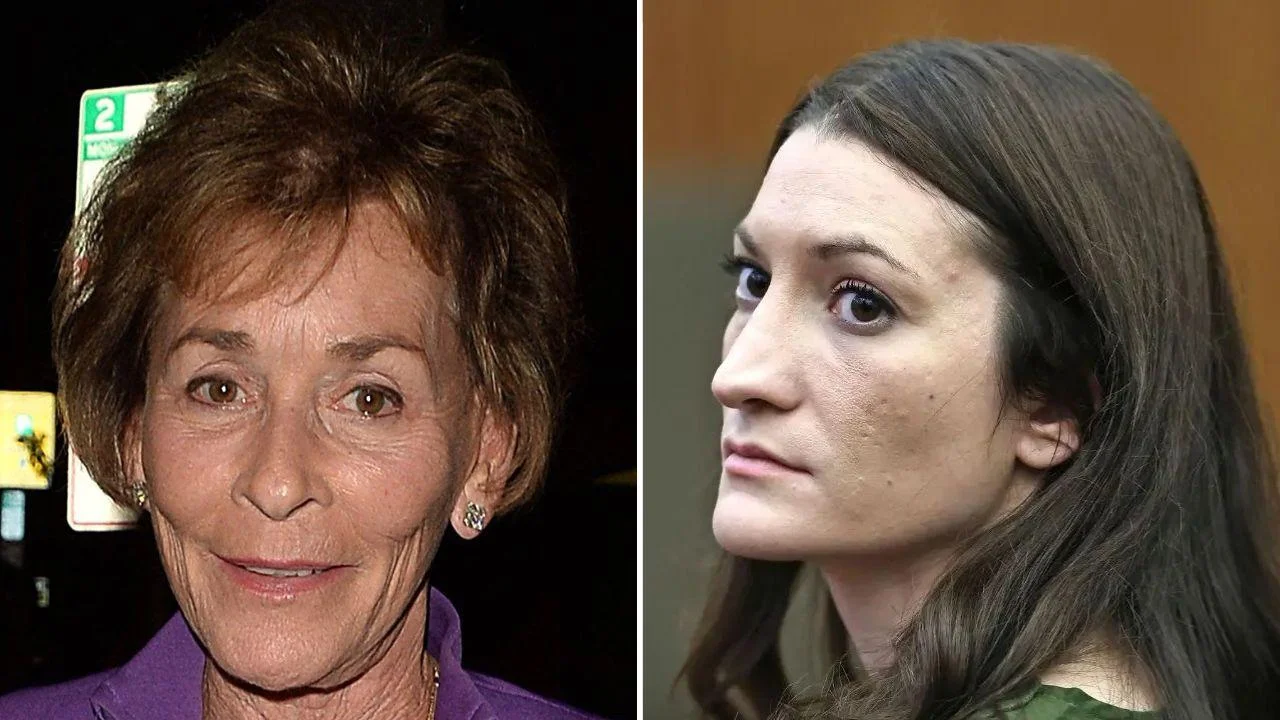
Judge Judy Sheindlin has weighed in on the ongoing complexities of the Lindsay Clancy case, which was recently declared a mistrial. Speaking to TMZ on September 17, Sheindlin asserted, "There’s no question that she killed her children, the only question is, ‘Is there an excuse for it?’” Her comments suggest a strong belief in the need for a retrial to explore the nuanced circumstances surrounding the case.
Understanding Clancy's Mistrial
Lindsay Clancy faces grave charges after confessing to the deaths of her three young children in January 2023. The children—Cora (5), Dawson (3), and Callan (8 months)—were tragically killed in the family's basement in Duxbury, Massachusetts. Clancy's defense had argued insanity, citing postpartum depression as an influencing factor. However, the jury was unable to reach a unanimous verdict, resulting in a mistrial declared on September 4. This failure to reach consensus underscores the complexity of the case; juries in such cases are often tasked with making difficult decisions where the emotional gravity is immense. The inability to produce a verdict not only halts the judicial process but also casts uncertainty over Clancy's future and the implications for legal definitions of mental illness in criminal acts.
The Stakes of Not Retrying
Judge Judy emphasizes the potential consequences of closing the case without a retrial: “There’s a real danger in not retrying the case.” Her position underscores the legal system's responsibility to examine thoroughly the factors at play in such severe allegations, particularly when mental health is a central issue. Failing to address the nuances in Clancy's situation—specifically the intersection of maternal mental health and criminal accountability—could contribute to a dangerous precedent. If society does not adequately address mental health in the legal context, it risks sidelining critical discussions about the treatment and understanding of individuals facing similar challenges.
Clancy's Defense and Mental Health Challenges
Clancy pleaded not guilty by reason of lack of criminal responsibility. Her defense claimed that she was suffering from postpartum psychosis at the time of the crimes, a critical element that her attorney, Kevin Reddington, argued should exempt her from full accountability. “That was not the Lindsay that is now living amongst us,” Reddington stated, stressing that the circumstances leading to those tragic acts involved significant mental health distress. The implications of this argument stretch far beyond Clancy, thrusting the spotlight on how legal systems recognize (or often overlook) mental health issues. Given the stigma surrounding mental illness, it's easy for such cases to get lost in sensationalism without a thorough exploration of the underlying factors at play.
The Role of Medication in the Case
Leading up to the incident, Clancy was prescribed an extensive regimen encompassing up to 13 different medications. This aspect of her mental health became a focal point in court, as her defense aimed to establish a lack of criminal responsibility. Clancy's unique legal situation distinguishes her case from typical trials since Massachusetts law places the onus on the prosecution to demonstrate that she was criminally responsible for her actions. Here’s the thing: medication, especially antidepressants and antipsychotics, can have varied and severe side effects. This variability complicates the legal landscape, where nuances in mental health treatment can significantly influence one's capacity to make rational decisions. Clancy's defense is heading down a path that could redefine how similar cases are approached in the future.
Current Condition of Clancy
Following the mistrial, Clancy's well-being has become a significant concern. Reports indicate she remains on 24/7 suicide watch while grappling with the mental toll of the trial. Her attorney has shared that Clancy is “not very good” and described her as “suicidal,” highlighting the emotional weight the case has had on her and her family. This reality is often overlooked in the rush to pass judgment in high-profile cases; the personal ramifications for those involved extend well beyond the courtroom. If you're working in this space or following this case, you’ll know that such conditions can lead to lasting psychological scars, not just for Clancy but also for the legal system itself.
The Path Ahead: Implications and Outlook
As this situation unfolds, the emphasis on retrying the case suggests a pressing need for a thorough evaluation of both the legal facts and Clancy’s mental health, which remains integral to understanding the motivations and circumstances behind her actions. The stakes here are not merely personal; they hold potential implications for mental health advocacy within the legal system. How the prosecution and defense navigate this complex terrain could very well influence future cases involving similar defenses. Whether and how the system will respond to these concerns in a potential retrial remains to be seen. More than just Clancy’s fate hangs in the balance; this case may well inform the future interactions between mental health considerations and the law, reshaping public discourse in the process.



Discussion
Sign in to join the discussion.