One juror’s perspective sheds light on the complexities of the Lindsay Clancy case, revealing a firm belief in her guilt and the reasoning behind the mistrial.
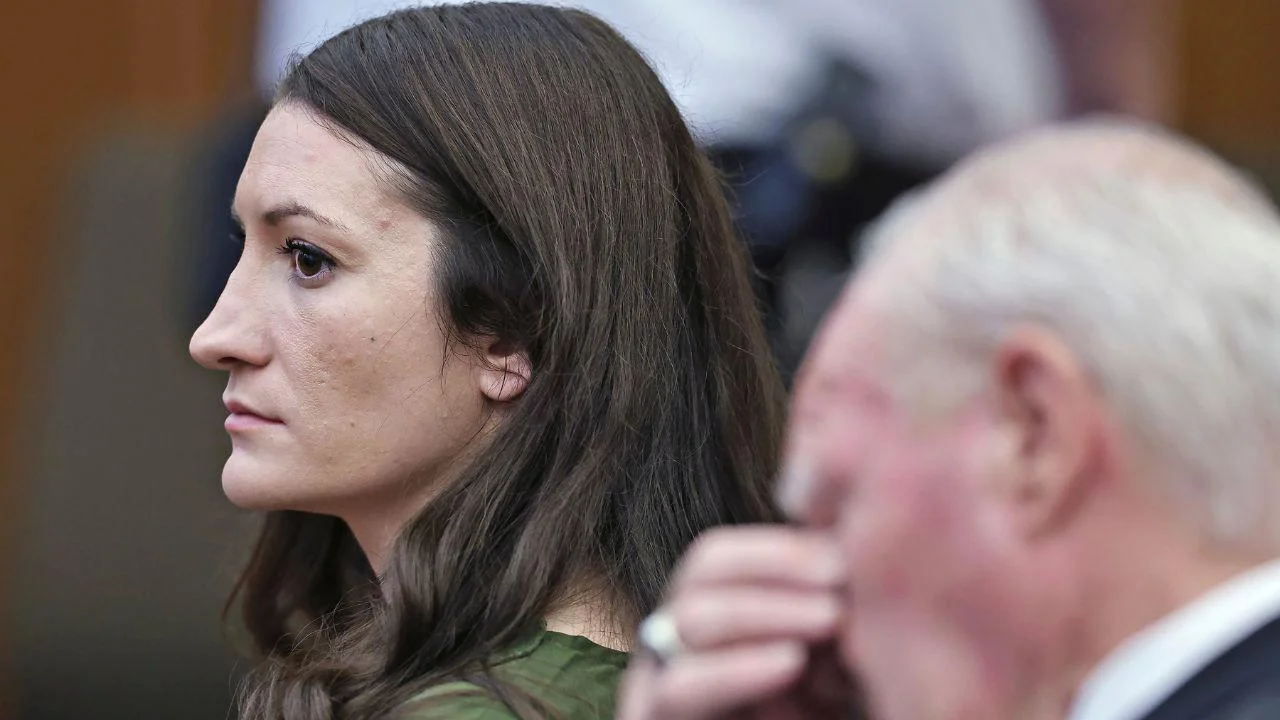
A recent conversation with a juror who remained steadfast in their conviction against Lindsay Clancy reveals intriguing insights into the deliberation dynamics during her highly publicized trial. Ray Marcel, creator of Fugitive TV, discussed his interview with the juror on NewsNation’s show hosted by Chris Cuomo.
According to Marcel, the juror firmly believed that Clancy, accused of murdering her three children, was fully aware that her actions were wrong. "He said she knew that what she was doing was wrong," Marcel noted during the interview.
Understanding the Deliberation
The trial, which captivated national attention, saw Clancy plead not guilty by reason of insanity after she admitted to strangling her three children. While eleven jurors advocated for her acquittal based on mental health grounds, this lone juror maintained a different stance, leading to frustration among the defense and most of the jury members. This divergence sheds light on the complexities of mental health assessments in legal contexts, where the perception of sanity can significantly sway jury opinions.
The juror’s perspective, as articulated by Marcel, indicated a belief that the premeditated nature of Clancy's actions demonstrated her sanity at the time of the crime. "The preparation showed that she was sane and knew what she was doing. She knew right from wrong before she did what she did," he explained. This line of reasoning reflects a common contention in cases involving mental illness. Critics often argue that a defendant's mental state at the time of a crime should not excuse their actions if clear intent can be established. The juror's reasoning suggests a clear dichotomy between mental health issues and moral accountability, a theme that often surfaces in high-stakes trials.
Particularly compelling was the juror's assertion that Clancy’s methodical approach—strangling each child in separate rooms rather than executing the act quickly—signaled a clear understanding of her actions. "Because it wasn’t a quick death," Marcel shared; the juror felt that Clancy fully grasped the moral implications of her actions. This belief echoes in numerous trials where the method and planning behind a crime become critical factors in determining culpability. The subjective interpretation of Clancy's actions became a focal point in the deliberation process, showcasing how deeply personal biases can influence jury outcomes.
The Complexity of the Jury Dynamics
Interestingly, the deliberations weren't as one-sided as the final vote may suggest. Initially, the juror reported that eight members were committed to a not guilty verdict, while two remained undecided. This initial majority highlights not just the split in opinions but the often tenuous nature of jury consensus. The dynamics shifted slightly toward the end, with one juror unexpectedly changing their vote after initially leaning toward conviction.
This shift underscores the turbulent nature of jury deliberations, where opinions can evolve under persuasion or revelation of new insights. It reflects a fundamental aspect of jury work: the collective decision-making process isn't just about weighing evidence, but also about the interplay of personal beliefs and group dynamics. Ultimately, the holdout's conviction that Clancy exhibited premeditated behavior led to the stalemate, resulting in the trial being declared a mistrial. This outcome raises profound questions about the adequacy of jury processes when faced with complex emotional and ethical dilemmas.
Political Implications and Backlash
This holdout juror has since garnered significant attention, sparking political debates across the spectrum. Many conservatives, who believed Clancy should face severe consequences, hailed the juror as a hero fighting for justice. This narrative reveals not only the polarized views on the case but also the broader implications it has on public sentiment regarding mental health in the justice system. As opinions clash, it becomes clear that the case has transcended its original focus, igniting discussions about how similar cases may be perceived in the future.
As fate would have it, the juror involved was the only Black member on the panel, which adds another layer to the narrative surrounding his decision. The convergence of race, justice, and mental health in this case raises crucial questions about representation and bias in jury selection and decision-making. The plurality of perspectives within the jury itself reflects the societal tensions around these issues.
Clancy's attorney, Kevin Reddington, expressed discontent with how the situation unfolded, suggesting the juror did not adhere to the legal standards set by the judge regarding the definition of reasonable doubt. His remarks point to the often shifting interpretive standards that jurors may apply, influenced by their backgrounds and experiences rather than strict legal definitions.
What's Next for the Case?
The tragic case has left many questions hanging in the air, with potential ramifications that extend beyond the courtroom. Clancy, who killed her children—5-year-old Cora, 3-year-old Dawson, and 8-month-old Callan—underwent significant mental health struggles, including postpartum depression and bipolar disorder, which her defense team argued should exonerate her from culpability. As the public grapples with Clancy’s mental health narrative, it’s clear that this case has broader implications for how society views parenting, mental illness, and accountability.
The juror’s belief that Clancy had taken deliberate steps to plan the murders—sending her husband out before committing the act—became a pivotal point in understanding the intention behind her actions. Because of the holdout's stance, the case now moves forward to a status hearing scheduled for September 29, where further legal proceedings will be determined. What this means for you, the observer of this case, is that the interplay of mental health considerations and public opinion will remain at the forefront of discussions as the next phase unfolds.
Implications and Future Outlook
The implications of this case reach beyond the courtroom drama, touching on vital societal questions about mental health and accountability. If you're working in this space, reflecting on how mental illness is treated in legal contexts is essential. This trial and its aftermath could lead to more pronounced discussions on the adequacy of mental health defenses in homicide cases, particularly in instances involving children. Various stakeholders in the legal system, from attorneys to legislators, might be compelled to reevaluate how they address mental illness in achieving justice.
For better or worse, this trial will likely empower some to advocate for changes in how courts assess mental health-related arguments in severe criminal cases. As opinions continue to form and evolve, the future of similar trials could very much depend on how this case is viewed in hindsight. This particular incident illustrates the complex interplay between the justice system and societal attitudes toward mental health—an area where the echoes of Clancy's trial may be felt for years to come.


Discussion
Sign in to join the discussion.