Dominic Calvert-Lewin’s place in one FPL team raises a wider question: when do the numbers justify patience, and when is loyalty clouding a transfer decision?
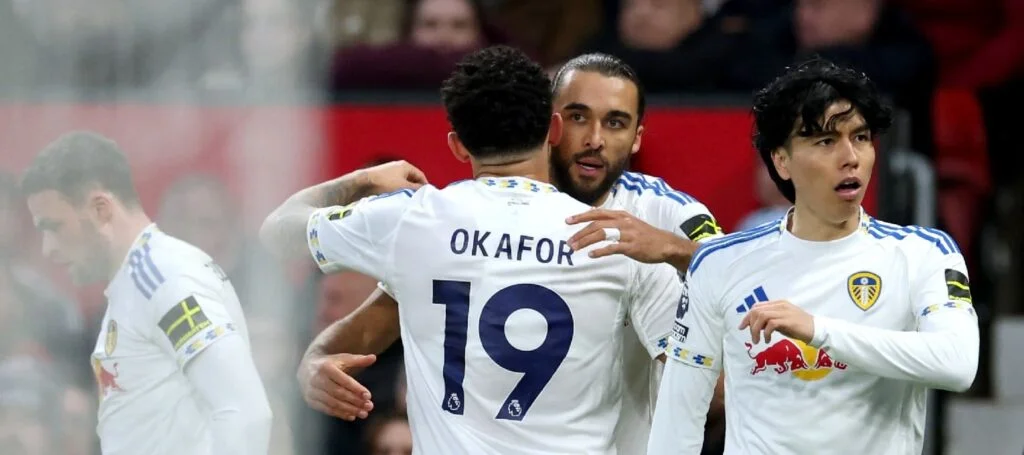
In Fantasy Premier League, holding a player can feel like a decision you made once. It isn’t. Every Gameweek you keep him, you’re choosing him again over the alternatives available to your squad. That makes the question facing me over Dominic Calvert-Lewin (£6.1m) less about whether he’ll score soon and more about whether I’d pick him today.
That distinction matters because Calvert-Lewin still has a plausible case for staying: he’s playing regularly, getting attacking opportunities and has fixtures that could bring returns. Those are sound reasons to be patient. They can also become a convenient defence of a player we’ve grown attached to. The challenge is knowing which is happening.
When club loyalty follows you into FPL
For me, the attachment starts with Leeds United. On 3 December 2025, my birthday, my co-host Emil and I watched Leeds beat Chelsea 3-1 at Elland Road. It was our first Premier League match together, and it remains a memory that makes detached analysis of the club a little harder.
That affection has made its way into my FPL decisions before. My first signing was Ilia Gruev (£5.0m), chosen largely because he was Bulgarian and played in the Premier League. Ao Tanaka (£4.9m) followed, with a similar amount of sentiment behind the pick. Neither nationality nor a place in a favourite team is a reliable forecast of FPL points. I learned that slowly.
There’s nothing wrong with supporting Leeds. The trouble comes when that support changes how I assess a player in a points-based game. Calvert-Lewin is a useful test because he isn’t an obviously poor pick. If he were, selling would be simple. Instead, there are reasonable arguments on both sides, which leaves more room for personal preference to steer the call.
The decision is bigger than one striker
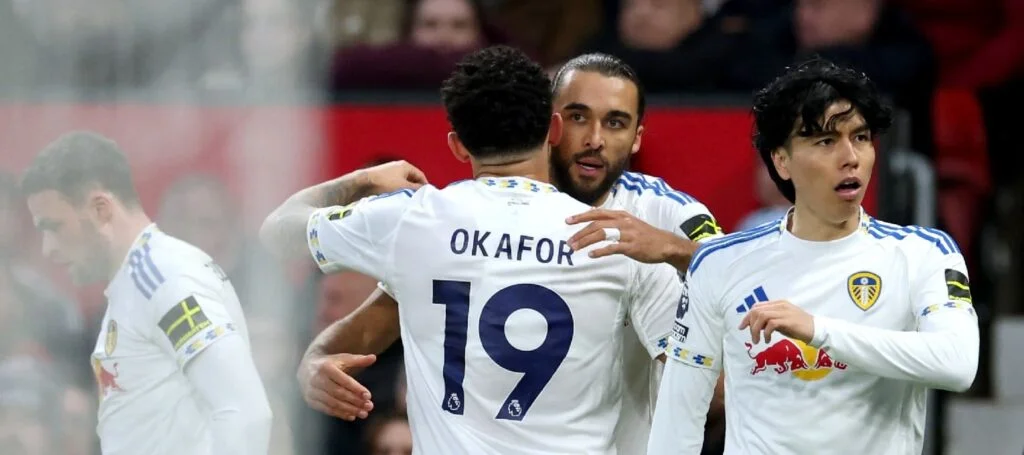
Emil wants me to replace Calvert-Lewin with Alexander Isak (£9.2m), arguing that Isak offers more attacking potential. I’m not persuaded yet. Calvert-Lewin has fixtures worth considering, and I could put my free transfer into the defence instead. It’s also possible I’m resisting partly because I don’t want Emil to be right.
That disagreement gets at a useful FPL question: would I buy Calvert-Lewin now if he weren’t already in my squad? The answer requires looking at him alongside Isak, Nicolas Jackson (£7.0m), Thierno Barry (£5.6m) and any other forward I could bring in. It also means asking whether the expected gain from a change is worth the transfer and the budget it would use.
One related discussion asks, What to do with Konsa + is Isak worth £9.2m? FPL Q&A. The price of Isak matters to my decision because an upgrade in one position can limit what I do elsewhere.
My defence has a need of its own. I could replace Semi Ajayi (£4.2m) with Jan Paul van Hecke (£5.0m) and leave the forward line alone. The relevant comparison, then, isn’t simply Calvert-Lewin versus Isak. It’s Calvert-Lewin with a stronger defence against Isak with the defenders I already own. A transfer that looks attractive on its own may not be the best move for the squad.
There are also other Liverpool players to weigh in wider squad planning, as discussed in Who are the best Liverpool players to buy in FPL?. Each choice competes for the same limited transfers and budget. The useful question is which problem matters most right now.
Past points don’t justify a future hold
Behavioural economists call it the sunk cost fallacy: sticking with a decision because of what you’ve already put into it, even though that investment can’t be recovered. In FPL, the cost might be several disappointing Gameweeks, time spent defending a player’s numbers, or simply the feeling that selling would mean admitting the original pick was wrong.
But missed points don’t come back if you keep the player. His prospects from this point on are what matter. Minutes, shots in the box, expected goals, big chances and fixture difficulty can all help assess those prospects. The risk is using the numbers selectively: highlighting the stats that support keeping him while discounting evidence that favours a transfer.
Doing nothing has an opportunity cost. Each week I retain Calvert-Lewin, I pass up the chance to use that spot, transfer and budget on someone else. That may still be the right call, but it deserves the same scrutiny as a new signing. A player can be a sensible hold on his own merits and still be the wrong priority for a particular squad.

A good result can’t explain the decision
Patience sometimes pays off. A striker who has blanked for weeks might score, even returning double digits, and the manager who held him will feel vindicated. Yet one good Gameweek doesn’t show, by itself, that holding was the best choice. Another player may have outscored him during the wait.
The same caution applies in reverse. Selling someone just before he scores doesn’t automatically make the transfer a mistake. FPL results depend on chance as well as judgement, and the points table doesn’t record why a manager made a choice. Two managers can own the same underperforming player and receive the same points when he scores twice. One may have kept him because his minutes, numbers and fixtures remained promising; the other may have kept him because selling felt like admitting defeat. Only one of those reasons is a process worth repeating.
There’s no universal number of blanks that should trigger a sale. Three disappointing weeks may not matter if a player’s role and prospects remain strong; a longer run might still be defensible. But patience starts to resemble stubbornness when the reasons for keeping someone shift, promising fixtures are always just ahead, or alternatives are dismissed because the original pick has to be proved right.
Let the evidence change your mind
Roles change. Minutes change. A team’s prospects can improve or deteriorate. Managers need to reassess their assumptions as those circumstances shift. Changing your mind in response to new information isn’t panic; it’s part of making a decision over again.
At the time of writing, Calvert-Lewin is still in my team. Emil still prefers Isak, and I’m still weighing whether the defence is the better use of my transfer. If Calvert-Lewin scores this weekend, I’ll be pleased. If Isak scores twice, Emil will have plenty to say. Neither result alone will settle whether the decision was sound.
I’ll keep the memory of that birthday at Elland Road, and I’ll always have a soft spot for Leeds. I can support the club without filling my FPL team with its players. For any frustrating asset, the practical test is the same: if I didn’t own him already, would I choose him today? If the answer has changed, the points already spent waiting aren’t a reason to wait again.
Patience makes sense while the evidence supports it. When the evidence no longer does, holding on may be a way of defending yesterday’s decision instead of making the best one for the next Gameweek.
So, if you didn’t already own your most frustrating FPL player, would you buy him now? And have you ever held someone for one Gameweek too many because you’d already waited so long?

Discussion
Sign in to join the discussion.