Michael Reiziger says the KNVB had been discussing dual-nationality players for years, but balancing attention across its youth squads remains difficult.
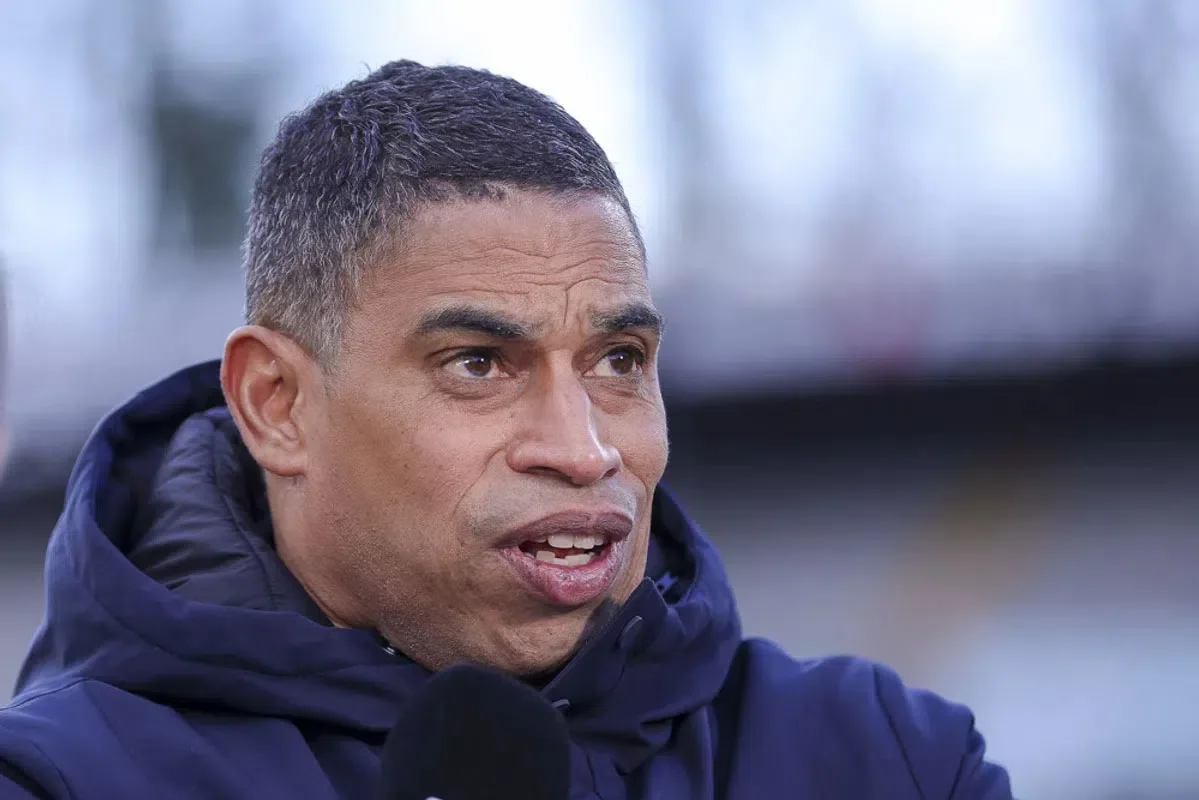
Michael Reiziger rejects the idea that the KNVB was caught off guard when young attacker Oufkir chose Morocco. The Jong Oranje coach says the federation had discussed how to retain players with dual nationality from his first meeting at the KNVB, though finding workable answers has proved difficult. That distinction matters: recognizing a challenge early doesn’t mean a federation can control the outcome. In youth football, players may have ties to more than one national setup, and each decision can turn on personal relationships as much as on the formal pathway a federation offers.
Oufkir’s decision caught the coach by surprise
Technical director Nigel de Jong travelled to Alkmaar to speak with Oufkir about his international future. Oufkir ultimately opted for Morocco, a decision Reiziger regrets, particularly because of how it unfolded. The visit shows the federation was willing to make a direct effort, but contact alone can’t guarantee that a player will choose the Netherlands. The choice belongs to the player, and the federation has to live with the result.
Reiziger says the federation had expected Ayoub to join the squad during the current international window after receiving his assurance. He also points to Xavi, who had been asked whether he would contact players directly. For Reiziger, those conversations show that the KNVB was engaged, even if the outcome with Oufkir went against the Netherlands. The gap between an expected commitment and a final decision is where this process becomes difficult: coaches can build plans around a player’s apparent interest, while that player is still weighing what international football means to him.
This is more significant than it looks. A decision can register as a single squad change, yet it also tests whether the federation’s conversations with young players are clear and durable. Reiziger’s account suggests the KNVB was active; it doesn’t establish that any particular approach would have changed Oufkir’s mind.
Attention has to be shared across the squad
Reiziger argues that setbacks attract more attention than cases in which players stay with the Netherlands. He says the same choices arise in France, Belgium and elsewhere, even if the spotlight is currently on the Dutch federation. That wider framing is useful because it treats dual nationality as a recurring feature of youth football, rather than as a problem unique to one country. Still, the existence of similar cases elsewhere doesn’t answer the practical question facing the KNVB: how much attention should it give each player?
He acknowledges that some countries approach dual-nationality players more aggressively. Those federations may find it easier to reach players who don’t need to be identified through domestic scouting. Still, Reiziger says the KNVB gives these players substantial attention and is weighing how far that effort should go. Here’s the thing: identifying a player is only the beginning. Maintaining a relationship takes time, and a federation has to decide how to divide that time across an entire group.
That raises a difficult question for the youth setup: should players who could represent another country receive extra attention, and would that come at the expense of players with only one nationality? Reiziger says the balance matters. If you're working in this space, that’s the tension to watch: targeted outreach may help keep communication open, but it can also affect how other players judge their place in the squad. (And this is the part most people overlook.) Attention is a limited resource, even when a federation’s intentions are good.
His expectation that young players who have spent years in Dutch representative teams should complete that pathway before making their international choice points to the value he places on continuity. Yet he accepts that the choice is ultimately theirs. That acceptance is essential to the argument: a long association with a youth setup may create a sense of commitment, but it doesn’t remove a player’s freedom to choose another national team.
The test is consistency and trust
The KNVB’s challenge, as Reiziger frames it, is to stay in close contact with dual-nationality players without creating a two-tier system within its squads. Oufkir’s decision has sharpened that debate; the federation’s next test is finding a consistent approach that preserves trust across the group. The standard will be hard to judge from one outcome. A sound process can still end with a player choosing elsewhere, while a successful choice on one occasion doesn’t prove the process will work for the next player.
For the federation, the task is to make its intentions legible to players and their teammates: who receives contact, what that contact is meant to achieve, and how coaches keep attention fair across the squad. Reiziger says those questions have been discussed, but that workable answers remain difficult. That’s a candid admission. The next choices will show whether the KNVB can turn that discussion into a steady practice.
There are no easy answers here.
Discussion
Sign in to join the discussion.