Crystal Palace have sacked Pierre Sage with the club bottom of the Premier League. Bookmakers now make Thomas Frank the favourite to replace him.
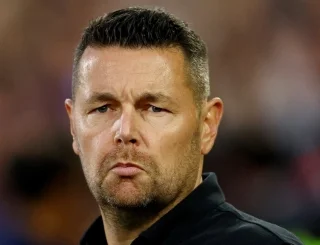
A short reign with a long shadow
Crystal Palace have sacked Pierre Sage, and they've done it with the club rooted to the bottom of the Premier League. His reign lasted 10 matches, produced a single league win and left Palace with the worst defensive record in the division, 24 goals conceded. Ten games. One win. Those numbers don't need much interpretation. Ten matches is still a short window, though, and it's fair to ask how much of that record belongs to the coach and how much was inherited. A team that can't keep the ball out of its own net has a problem that no single week of training will fix.
The timing is hard to ignore. The decision came hours after Manchester United confirmed they were parting ways with Michael Carrick, so the managerial merry-go-round is spinning fast this week. Nobody in south London will be surprised, Sage included. Clubs in this position often move quickly, because every week spent at the bottom makes the next appointment harder to sell to candidates. Here's the thing: the sacking isn't only about Sage (and this is the part most people overlook), since it also tells you how Palace's board judged the first ten games and what it expects from whoever comes next.
What the club said
Palace confirmed the change in a short statement. It thanked Sage and his staff for their efforts and said three of his coaches have also left: Jamal Alioui, Damien Della Santa and Sandy Guichard. The club promised an update on the search for a new manager in due course. Thanks-for-efforts language is almost standard in these statements, and the wording here is about as neutral as they get. That said, the detail about the coaches matters more than the courtesy. When assistants leave alongside the head coach, it usually points to a wider change rather than a single decision, and you'd want to know whether those departures were part of the same process or a separate one.
Frank leads the market
Bookmakers now favour Thomas Frank. The 53-year-old spent seven years at Brentford, earning wide praise, before Tottenham Hotspur sacked him in February after a spell that didn't go to plan. That dented his reputation, but the market clearly still rates him. Odds measure where money and opinion sit, not who'll actually succeed, so I'd read a short price as a signal of perceived quality rather than a forecast. Seven years at one club is a long run in this league, and that kind of record tends to outlast a bad final spell. Still, the Tottenham sacking is the line on his CV that every interviewer will bring up.

Frank interviewed for the Palace job in the summer, before Sage was appointed, and he's understood to have held advanced talks with the club more recently. He's believed to be the leading candidate, with Sean Dyche and Vitor Pereira also in the frame. Palace haven't confirmed any appointment yet, so this remains a strong lead rather than a done deal. If Palace come back to a candidate they passed over earlier, that's a signal in itself. It may mean they regret the earlier choice, or simply that they kept their options warm. Reports of advanced talks have a habit of running ahead of the paperwork, so the wording of any official announcement will tell you more than the rumours.
The fixture list
Whoever arrives will want to hit the ground running, and the early schedule gives them a real chance. The first game after the international break is a trip to Coventry City. A home match against fellow promoted side Hull City follows, then away days at Chelsea and Aston Villa. Chelsea carry a serious attacking threat but have been loose at the back, so that one could reveal plenty about Palace's approach. Sequencing matters here: two games that look winnable on paper before the harder away trips can be the difference between a steady start and a slide. Still, "winnable" on paper has burned plenty of managers, and new coaches often find the first match is the hardest to prepare for, with little time on the training ground.

The fixtures later in the season look more mixed, but an early run of results would buy the new man breathing room. The real question is whether he can turn that opening stretch into points before the pressure builds. Early wins for a side near the bottom do more than move the table. They change how the squad plays and how the board talks about the project. Without them, every defeat gets read as confirmation of the last decision. That's the trap Palace will be keen to avoid.
What this means next
Palace's situation is less about one manager than about a pattern. A club that sacks a coach after ten games and then moves toward a well-known name is telling you it wants a quick fix rather than a rebuild. That's a defensible choice, and also a risky one, since short-term appointments often struggle to shift a team's habits. If the reported favourite gets the job and the defence stays leaky, the club will have spent a lot of goodwill on a change that didn't change much.
For anyone following the league closely, the bigger story is how quickly this cycle repeats. Managers get hired on promise, judged on a few months of results, and replaced when the table doesn't move. If you're trying to read this properly, don't put too much weight on a single appointment until you've seen how the team defends across a month. That said, Palace's conceded total gives the next manager an obvious starting point. Fixing the back line won't be glamorous, but it's probably where the first points will come from. My guess is that the first three games will tell us more than any press conference will.
Discussion
Sign in to join the discussion.