Banked free transfers give top FPL managers options, patience and a squad edge. With blanks this common, waiting often beats chasing form.
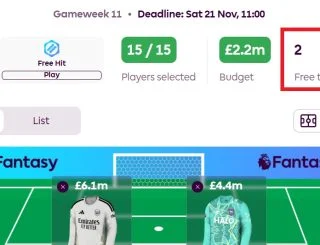
Check the top of any FPL mini-league and you'll often find the leaders sitting on three, four or even five banked free transfers. That pattern is hard to ignore. It also raises a fair question: are patient managers winning because they bank transfers, or are they banking because they're already winning?

Rolling transfers used to be a tactical footnote. For years the default was to burn a free transfer each week, because an unused one simply disappeared. Then the ability to roll up to five transfers arrived in the 2024/25 season, and the meta shifted. Aggressive, reactive play has lost ground to patience. My read is that the rule change exposed something about how the game is actually won, not just a new way to spend free moves.
Cause or Effect?
Before crediting the banking habit, we need to separate cause from effect. Good managers may bank transfers because they picked good players in the first place, which leaves little to fix. Luck plays a part too. Fewer injuries and suspensions mean fewer forced moves, and that alone builds a stockpile.
Neither explanation covers the whole picture, though. Elite managers still make the same selection mistakes as everyone else. That suggests banking isn't just a byproduct of skill, and it may be doing some of the work itself. The evidence here is largely observational, so treat it as a strong hunch rather than settled fact.
Options Are the Real Prize

A single transfer usually means a like-for-like swap within the same position and price band. Add a second and you can start shifting funds around, moving closer to your ideal XI rather than patching the one hole in front of you. The benefit probably doesn't scale neatly with each extra transfer, but more options is rarely a bad thing.
With three to five banked, you get something closer to special privileges. You can move early to beat a price rise without worrying as much about injury news. You can take a short punt on a player with a run of good fixtures, or sell a premium asset temporarily ahead of a tough run. And with enough in the bank, you can plan a mini Free Hit in the gameweek before a Wildcard, concentrating your gains into a single week.
Once you have a stockpile, transfers stop being simple swaps. They become tools you can time.
Blanks Change the Maths
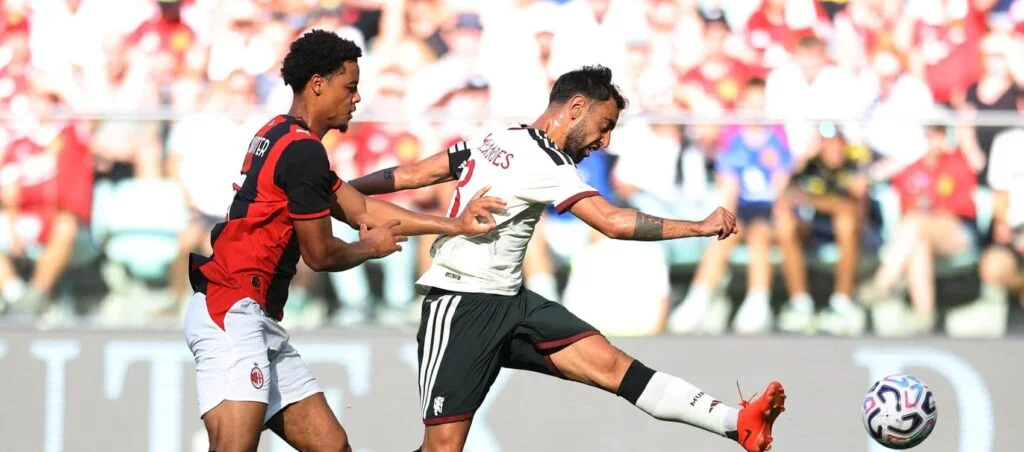
Patience matters because even elite players blank a lot. When every week demanded a transfer, an underperforming player became an automatic target. Now that managers can wait five gameweeks without burning a transfer, holding through a dry spell is a realistic option rather than a gamble.
The numbers are stark. Last season, the top seven highest-scoring midfielders and forwards blanked, on average, almost 40% of the time. Erling Haaland (£15.8m) blanked in 37% of his matches, and Bruno Fernandes (£11.6m) in 29%. Even the best options go quiet regularly.
That makes constant switching look expensive. Chasing every blank usually means trading into the wrong player at the wrong time. Staying put lets regression to the mean work in your favour rather than against you, and it offsets some of the opportunity cost of not transferring. Banked transfers, in other words, are partly insurance against your own impatience.
Squad Depth Is the Hidden Engine

Banking transfers only works with a squad you trust. You need reliable players, and you need the willingness to start bench options when the fixtures call for it. Building a solid core is the first step. Being prepared to use your depth is the second, and many managers skip it.
Sometimes that means a player in less-than-ideal conditions takes the field. That's not ideal, and it will cost you occasionally. But plenty of players have delivered despite tough circumstances, so the risk is often smaller than it feels in the moment. The benefits likely outweigh the downsides.
The real payoff is that transfers become optional. If you only ever make luxury moves, you're playing a different game from the manager forced into a reactive swap with thin options. That gap compounds over a season.
What It Means for the Game
The pattern points to FPL becoming more of a squad game than a first-XI game. Premium options are thin on the ground, and reliable, low-cost defenders with high floors give managers dependable returns without a big outlay. Depth matters more than maximising a handful of stars.
Differentials still have a place, but there's a sharper point here. We spend a lot of time hunting differential players and less time asking whether a differential strategy is the better approach. Sometimes it is. Banked transfers also grow more valuable as you accumulate them. The third, fourth and fifth carry far more utility than the first.
There are real risks. Going long stretches without transferring carries opportunity cost, and plenty of resources can breed complacency. People tend to become less efficient the more they have of something, and a fat transfer bank can make it easy to drift. Discipline matters as much as patience.
Still, managers who bank transfers are playing with advantages that aggressive managers simply don't have. Whether patience wins decisively over the long run remains to be seen. For now, the evidence points one way, and the next few seasons will show whether the meta holds.
Discussion
Sign in to join the discussion.