New York Fashion Week showcases glamour, but designers reveal the intense pressure and emotions behind their creative process.
The Allure of New York Fashion Week
It’s easy to get swept up in the glamour of New York Fashion Week (NYFW) — record-breaking views on social media showcase stunning wardrobes and surprise celebrity sightings. The hype surrounding NYFW isn’t just about clothes; it’s an entire cultural phenomenon where fashion intersects with celebrity, art, and social media dynamics. While trend-setting designs and flashing cameras create an enchanting surface, beneath lies a whirlwind of chaos and countless last-minute adjustments that the audience rarely sees. Editors hustle from show to show, influencers work frantically to capture the perfect snippets for their followers, and publicists scramble to manage seating arrangements and make sure everything runs smoothly. This flurry of activity is often overshadowed by the glitzy presentations on the surface.
The Weight of Expectations on Designers
Among all the participants, the designers often bear the brunt of this high-stakes pressure. They pour months of labor into their collections, meticulously crafting every detail with an almost obsessive commitment to perfection. Each thread, every silhouette, and color palette is selected with a level of precision that not only reflects their artistic vision but also aligns with current market trends—and customer expectations. When the final runway line is completed, the relief these creatives experience is palpable. Yet, this moment also signals the beginning of yet another cycle of relentless preparation for the next season.
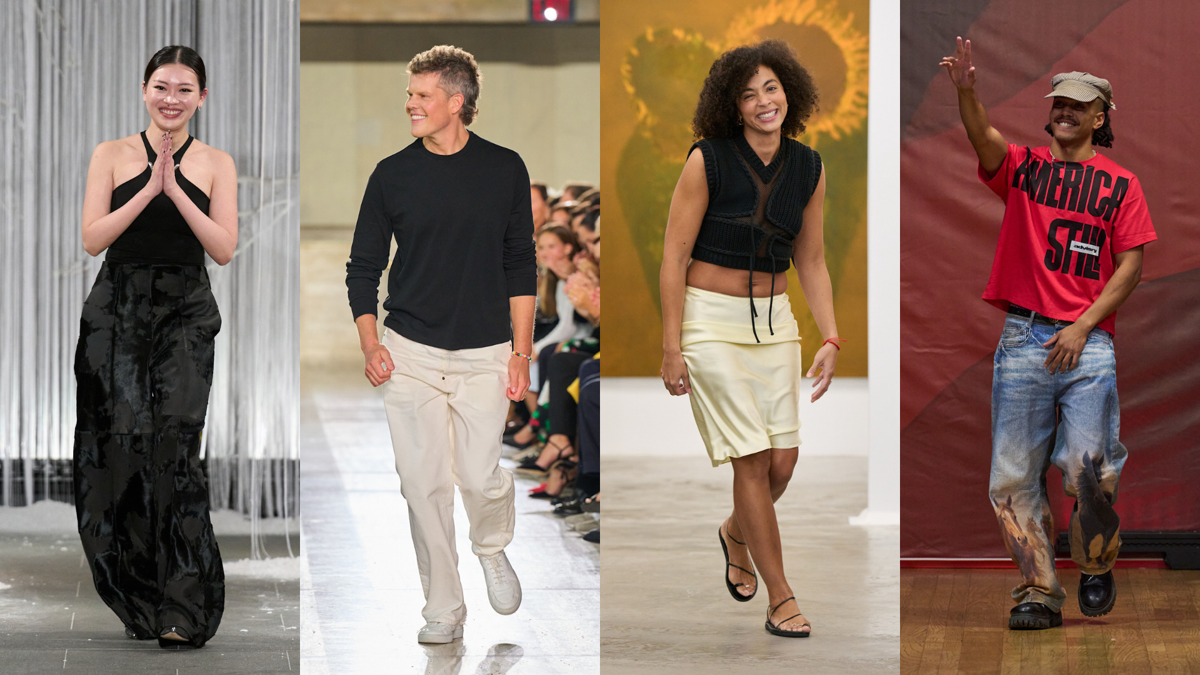
As the team at Fashionista asked various designers about their experiences after their final bows at Spring 2027's shows, a range of emotions spilled forth. Designers like Andrew Kwon and Grace Ling expressed profound gratitude for their teams, recognizing that success is rarely the product of individual genius but rather a collaborative effort that balances creative vision with practical execution. Others, including Tory Burch and Stephanie Suberville, spoke candidly about their emotional responses to the conclusion of their shows, revealing a vulnerability that lies at odds with the perceived glamour of the industry. Notably, Rachel Antonoff encapsulated this sentiment perfectly with her pure, “Thank fucking God.” This brief utterance speaks volumes—it's not just a release; it’s a recognition of the emotional and physical toll that this high-pressure environment extracts.
Reflections from the Designers
Take Rachel Scott of Proenza Schouler and Diotima, who detailed the logistical hurdles of ensuring her closing model could assist her up the stairs—a testament to the meticulous planning that goes into such shows. "It's intimidating," she admitted about the moment she steps out on the runway. It’s a stark reminder that the glamorous images often gloss over the practicality needed to make a show happen. While the audience sees beauty and artistry unfold, they often miss the behind-the-scenes teamwork that ensures a seamless presentation.
Tory Burch commented on the emotional whirlwind that accompanies NYFW. She recounted a close call when a model nearly forgot her shoes, emphasizing that, in the end, it's all about the show itself, and sometimes, “barefoot’s the new black.” This kind of anecdote is relatable and humanizes the runway experience, turning what could easily be an oversight into an opportunity for improvisation and creativity. It reflects the inherent unpredictability of live events and the need for designers to remain adaptable even under pressure.
In stark contrast, others like Patricia Bonaldi of PatBo reflected on how the adrenaline can feel overwhelming. “I can barely say ‘Hi,’ but it’s a moment that feeds me,” she noted, illustrating how the rush makes her feel more connected to her craft. Such insights reveal the duality of the designer’s experience—while the thrill invigorates and inspires creativity, it can also be emotionally draining, leaving them in a state that oscillates between exhaustion and exhilaration.
Then you have designers like Christian Cowan, who candidly admitted his dislike for taking bows. “Honestly, I’m just counting the seconds until I can disappear again,” he quipped. This brings to light an often-overlooked aspect of NYFW: the discomfort some designers feel in the spotlight. For many, the runway walk isn’t a celebratory moment but a taxing ordeal, reminding us that behind the artistry lies a very human need for space and quiet amid the chaos.
The Bigger Picture
If you're working in the fashion industry, understanding these sentiments is crucial. Designers are not merely artists; they’re juggling intense emotional demands while making pivotal career moves. The pressure surrounding their performances translates into every facet of their lives. Each collection represents not just their talent but their dedication and, often, their very sense of identity. Each bow signifies a release but also serves as a reminder that the wheels are already turning for the next showcase. The result is a cycle that breeds creativity but can also incite burnout.
And this is the part most people overlook: the sheer resilience required in this industry. Pushing creative boundaries comes at a personal cost, and understanding this dynamic creates a deeper respect for their work. Designers’ mental health and well-being often fluctuate alongside the seasons—and for many, this can lead to a precarious balancing act between artistic passion and self-preservation.
Implications for the Future
The stories shared during NYFW shed light on the hidden pressures that often overshadow the glamour and excitement of the event. This year could serve as a catalyst for deeper conversations about the mental health of designers and the industry as a whole. As public awareness grows around these issues, it’s possible to see shifts in how fashion weeks are structured, with increased emphasis on designer well-being, teamwork, and support systems.
Designers’ relentless artistry, sweat, and sincerity deserve the spotlight as much as the glitz of the collections themselves. As fashion continues to evolve, embracing these narratives could not only enhance industry practices but also resonate more deeply with followers and consumers alike. More than just clothes are at stake; it’s genuinely about the heart and passion behind the designs. Will that recognition change the course of future fashion events? Only time will tell, but the conversation is certainly needed.

Discussion
Sign in to join the discussion.