LuxExperience rebounds to profitability, while Authentic Brands Group prepares for a potential IPO, signaling momentum in the luxury sector.
These are the key updates from the fashion industry this Wednesday.
LuxExperience Achieves Profitability
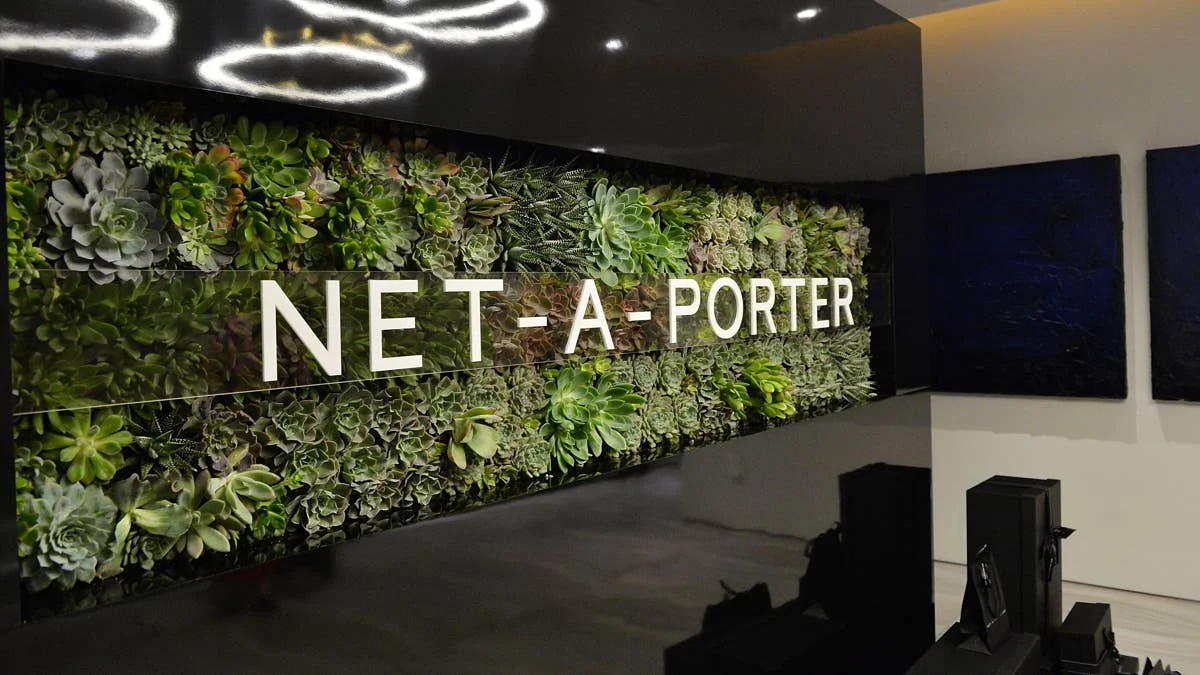
LuxExperience, the parent company of luxury retailers Mytheresa and Net-a-Porter, has reported a profitable fiscal fourth quarter. This comes as a promising sign for the company's future, especially considering the volatile nature of the luxury retail market. CEO Michael Kliger highlighted significant growth at Mytheresa, indicating that consumers are increasingly willing to spend on luxury goods. Coupled with a recovery at both Net-a-Porter and Mr Porter, this growth trajectory manifests confidence. In a notable turn of events, Yoox also posted growth for the first time since it was acquired, further solidifying LuxExperience's positive momentum. The company reported net sales of approximately €653.6 million (around $754 million) for Q4, reflecting a steady 7.6% increase year-over-year. This upward trend in business isn't just about numbers; it's a strategic recovery that signals a shift in consumer sentiment. Looking ahead, executives anticipate continued sales and margin improvements as the new fiscal year commenced in July. The retail landscape could shift further if the anticipated bounce-back continues to gain traction.
Authentic Brands Group Targets IPO
Authentic Brands Group is gearing up for a potential initial public offering (IPO) as early as the first half of next year, a significant milestone for any company focused on growth. CEO Matthew Maddox shared insights with Bloomberg TV, expressing confidence in being "ready to go." With revenue reaching $2.2 billion and an impressive profit margin of 81%, the company is clearly on an upward trajectory. Organic growth rates between 7% to 8% annually reflect an appetite for the diverse brands that Authentic represents, signaling that consumers are engaging with these labels. Authentic's extensive portfolio boasts an astounding $10 billion worth of intellectual property, with Maddox aiming to double this figure within the next two years. This ambition raises questions about market reception. If you're working in this space, consider how this could reshape brand valuations and consumer engagement within the fashion sector. {Bloomberg/paywalled}
Leadership Change at Jil Sander
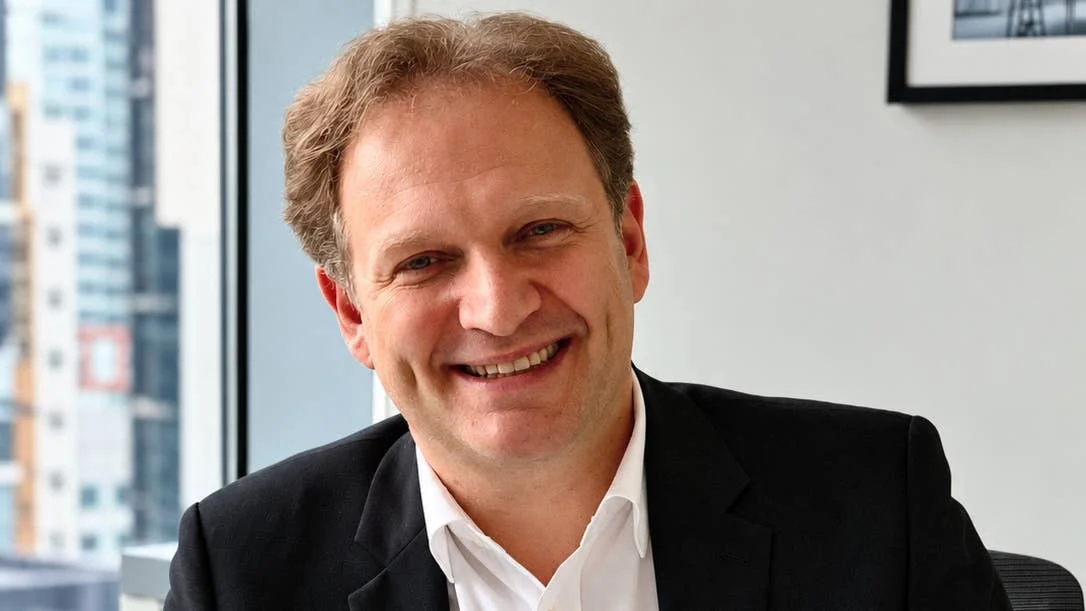
Photo: Courtesy of Jil Sander
Jil Sander has appointed Marco Viganò as its new CEO, effective September 15, marking a notable change in leadership for the brand. Viganò steps in for OTB Group CEO Ubaldo Minelli, who has been managing the brand temporarily. Such shifts in executive leadership can often redirect company culture and vision. Before this role, Viganò served as the global chief client officer and president for EMEA at Moncler, giving him valuable experience in luxury brand management. His impressive background also includes stints at high-profile brands like Audemars Piguet, Saint Laurent, Louis Vuitton, Gucci, and L’Oréal. Each of these roles likely equipped him with unique insights, essential for navigating Jil Sander's future challenges. As the brand looks to redefine itself under his guidance, the fashion industry will be watching closely to see if Viganò's vision can rejuvenate the label and capture consumer interest anew. {Fashionista inbox}
L’Oréal Surpasses LVMH in Market Value
L’Oréal has overtaken LVMH to become France’s most valuable listed company, achieving a market capitalization of around €203 billion ($234.2 billion). In contrast, LVMH's market cap stands at approximately €201 billion ($231.9 billion). Analysts attribute the shift to consumers increasingly opting for smaller luxuries rather than high-end purchases, a trend that raises broader implications for luxury retail. L’Oréal's shares have seen a 5% rise this year while LVMH's have dropped by 35%. This divergence reveals a consumer mindset possibly prioritizing practicality over prestige. The knock-on effect has been significant, resulting in LVMH exiting Europe’s top 10 companies by market value. Moreover, CEO Bernard Arnault has lost his title as Europe’s richest person to Zara Founder Amancio Ortega. The implications here are multifaceted; it suggests that wealth concentration in certain sectors may shift as consumer behavior trends evolve. {Reuters/paywalled}
Prada Signals No Interest in Armani Acquisition
Prada's CEO Andrea Guerra confirmed that the company will not pursue a bid for Armani, instead focusing on revitalizing Versace, which it acquired last year. The decision indicates a strategic choice, possibly understanding that each brand requires distinct resources and direction. Moving away from Armani allows Prada to concentrate its efforts on Versace's turnaround strategies. Meanwhile, Armani is slated to sell a 15% stake in the company, hinting at potential structural shifts. Guerra also indicated that a launch of smart glasses under a Prada-owned brand is unlikely to happen soon, despite previous “exploratory talks” with EssilorLuxottica. A surprising pivot for a brand keen on staying modern, this suggests a careful approach to new technology investments. {Reuters/paywalled}
Livestreams Propel TikTok Shop’s Luxury Resale Growth
TikTok Shop reported that livestreams are driving an impressive 94% of its luxury resale revenue in the U.S. This statistic reveals a significant shift in not just how products are sold, but in consumer engagement. The segment's gross merchandise value has skyrocketed by 400% year-on-year, propelled by high-demand categories like handbags and watches — items where authenticity and brand narrative matter deeply. Resale platforms such as Fashionphile, Rebag, and MyGemma have cultivated substantial followings on TikTok, reflecting a broader trend of younger consumers gravitating toward secondhand shopping. ThredUp’s forecast that the global secondhand apparel market could reach $393 billion by 2030 also underscores this momentum, suggesting a vital shift in consumer habits that brands shouldn't overlook. This isn't just a passing trend; it’s an evolution in retail practices. (And this is the part most people overlook.) The lifestyle choices of younger shoppers will likely shape what luxury means in the future. {Modern Retail}
Future Outlook: Significance of Current Trends
As we look at these developments, it becomes clear that shifts in the fashion industry will have lasting effects on market dynamics. From LuxExperience’s profitable quarter to the increasing prominence of TikTok as a sales channel, these are signs of structural change. Brands are required to respond to the evolving consumer base, increasingly comprised of young, digital-savvy shoppers. The IPO potential showcased by Authentic Brands Group may signal that investors are recognizing the viability of brands adapting to these shifts.
The rise of secondhand markets, particularly through platforms like TikTok, hints at a reimagining of luxury—a redefinition where access and sustainability take center stage. Retailers that fail to adapt may find themselves at a disadvantage. This landscape isn't static; it's a combination of consumer awareness, platform innovation, and brand resilience that will ultimately dictate the success of players in the fashion realm.

Discussion
Sign in to join the discussion.