Patricio Campillo's Spring 2027 collection explores nostalgia and sustainability, showcasing garments crafted from bacteria-derived materials alongside striking designs.
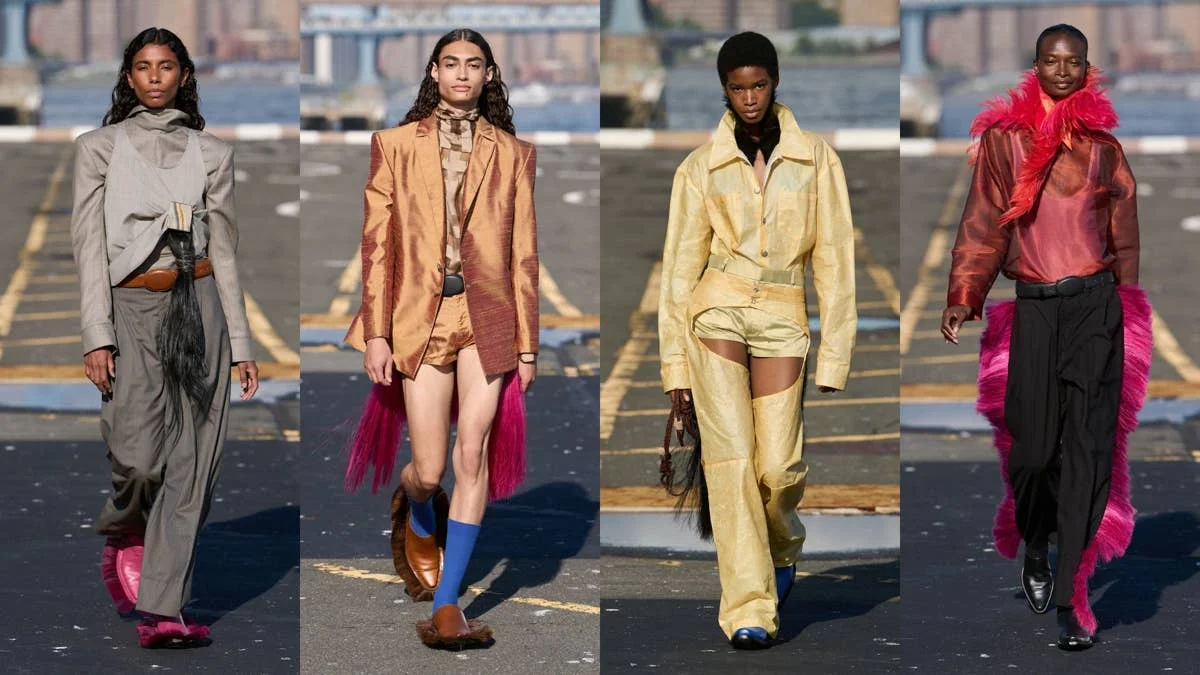
The spotlight on sustainability in fashion continues to grow, as evidenced by designer Patricio Campillo’s latest collection for Spring 2027. Titled "In Media Res," the runway show invites viewers to reflect on transformative moments and the stories they encapsulate. Campillo draws inspiration from nostalgic scenes, such as a sunset and its vivid hues, translating these ideas into a rich color palette featuring golden yellows, burnt oranges, and fiery reds. The choice of colors is not merely aesthetic; they evoke memory and emotion, prompting viewers to consider not just the clothing before them, but the experiences they represent.
A New Approach to Design
Campillo's approach marks a shift from traditional sketching to dynamic in-person fittings, allowing for spontaneous interactions between fabric and the human form. This hands-on method led to distinctive layering choices and unexpected fabric combinations, as seen in his collection's standout pieces like skirts mimicking blazers, backward denim tops, and layered trousers. One of the most intriguing elements is the made-to-look-leather ensemble—a striking red textured jacket and trousers crafted from a biopolymer created by bacteria. This innovation raises key questions about the future of textile creation; if brands can adopt such methods widely, the environmental impact could shift significantly.
By engaging directly with materials and form during the fitting process, Campillo is capitalizing on principles that prioritize both functionality and artistry. This tactile approach allows for an organic evolution of clothing that might not emerge through traditional design blueprints. The result is not just fashion that looks good but also feels unique and personal, echoing stories of identity and self-expression.
Focus on Cultural Heritage
Campillo’s focus on self-reference is particularly noteworthy. He believes that retaining a brand's core identity while exploring new techniques is vital for evolution. Drawing on lessons from isolated Mexican communities regarding the preservation and evolution of tradition has influenced this perspective. The designer's signature charro cultural motifs continue to appear, evident in fitted jackets, eye-catching belt buckles, and intricately fringed trousers. This season, he intensifies the exploration of horsehair detailing—dyed with vegetable-based pigments—across ruffled collars, elongated skirts, hats, and neckties, weaving a rich narrative through texture and technique.
The resurgence of traditional craftsmanship in high fashion isn't just a trend; it's a testament to the importance of heritage. As global culture becomes more homogenized, designers like Campillo remind us of the beauty found in local traditions. The incorporation of horsehair, for instance, ties contemporary fashion back to its roots, engaging the audience in a dialogue about sustainability and authenticity that resonates on multiple levels.
Visual Storytelling in the Collection
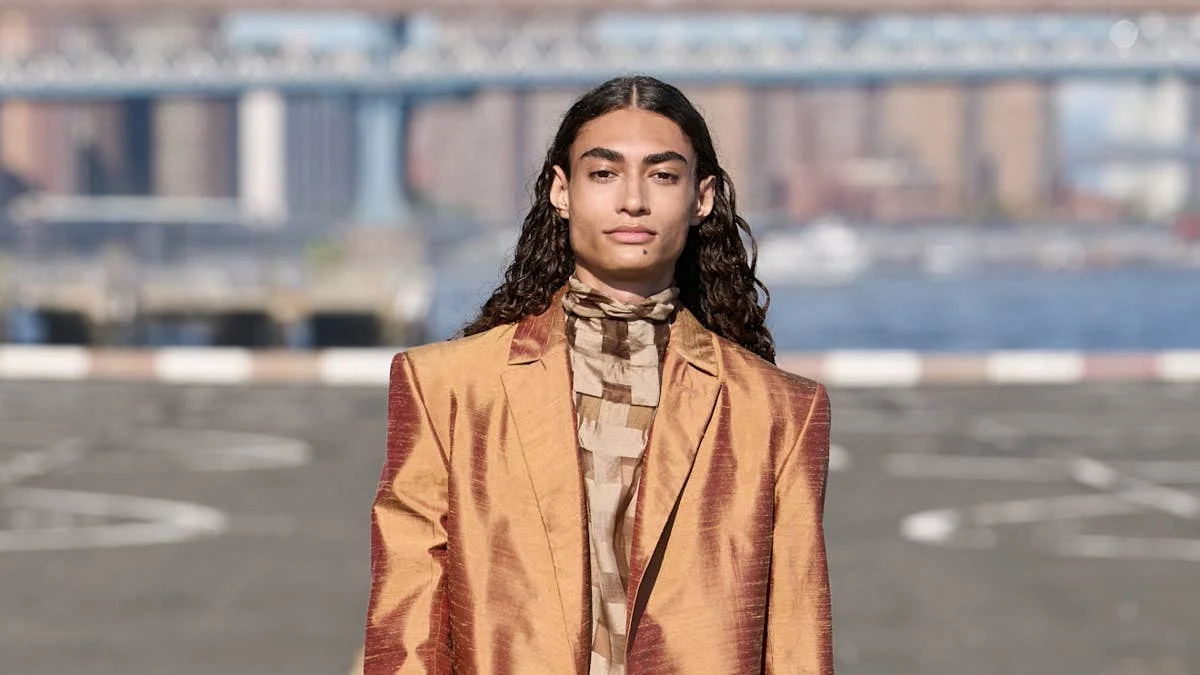
Campillo Spring 2027. Photo: Launchmetrics Spotlight
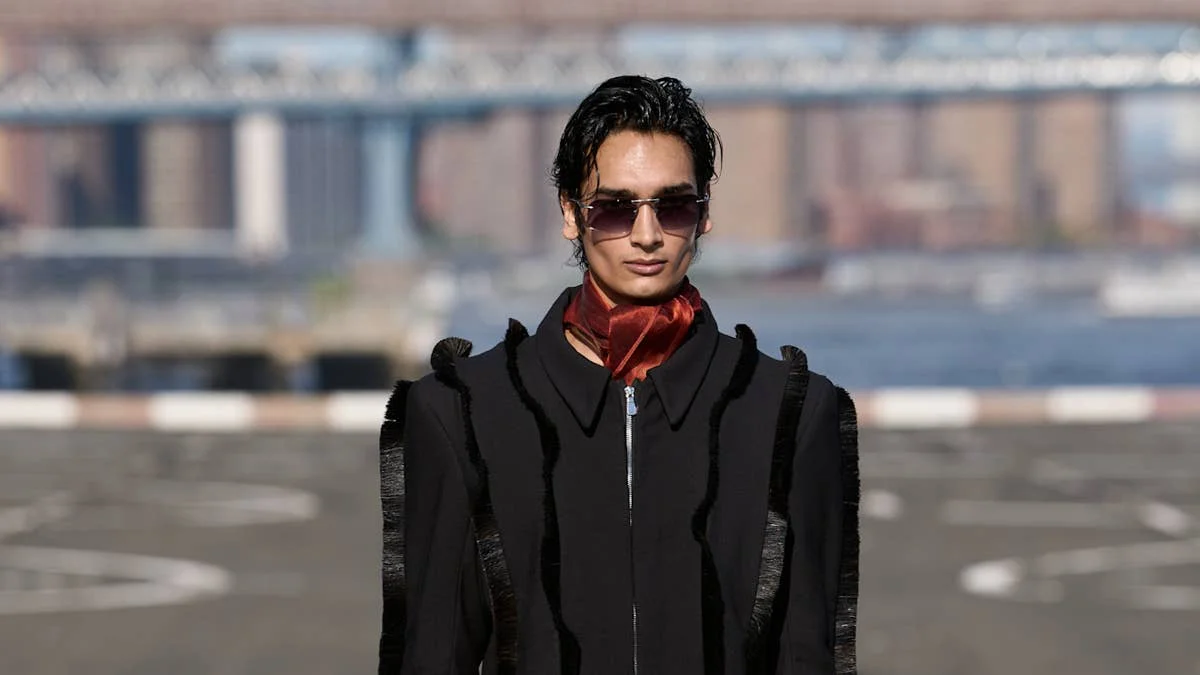
Campillo Spring 2027. Photo: Launchmetrics Spotlight
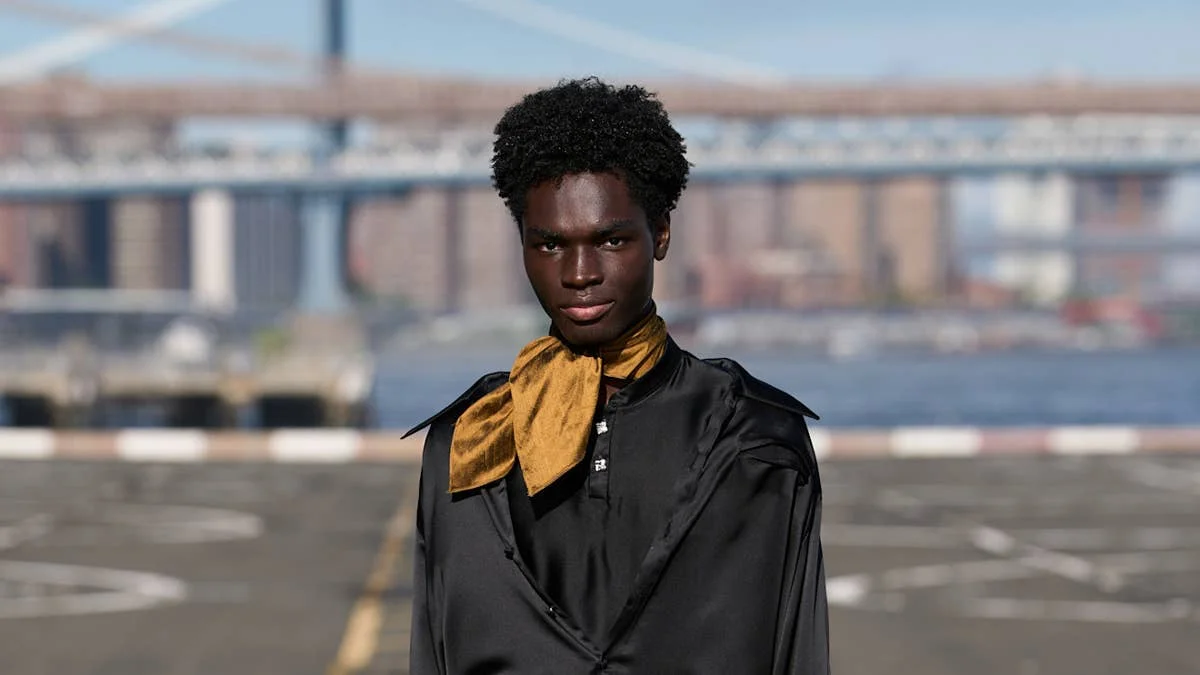
Campillo Spring 2027. Photo: Launchmetrics Spotlight
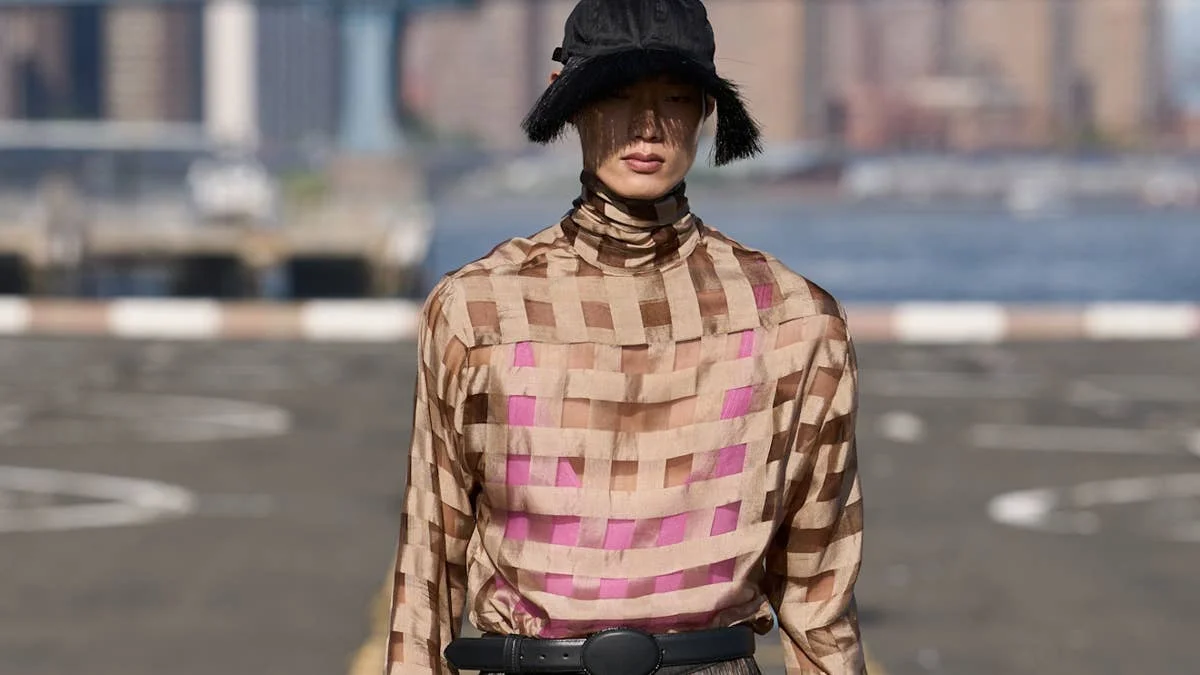
Campillo Spring 2027. Photo: Launchmetrics Spotlight
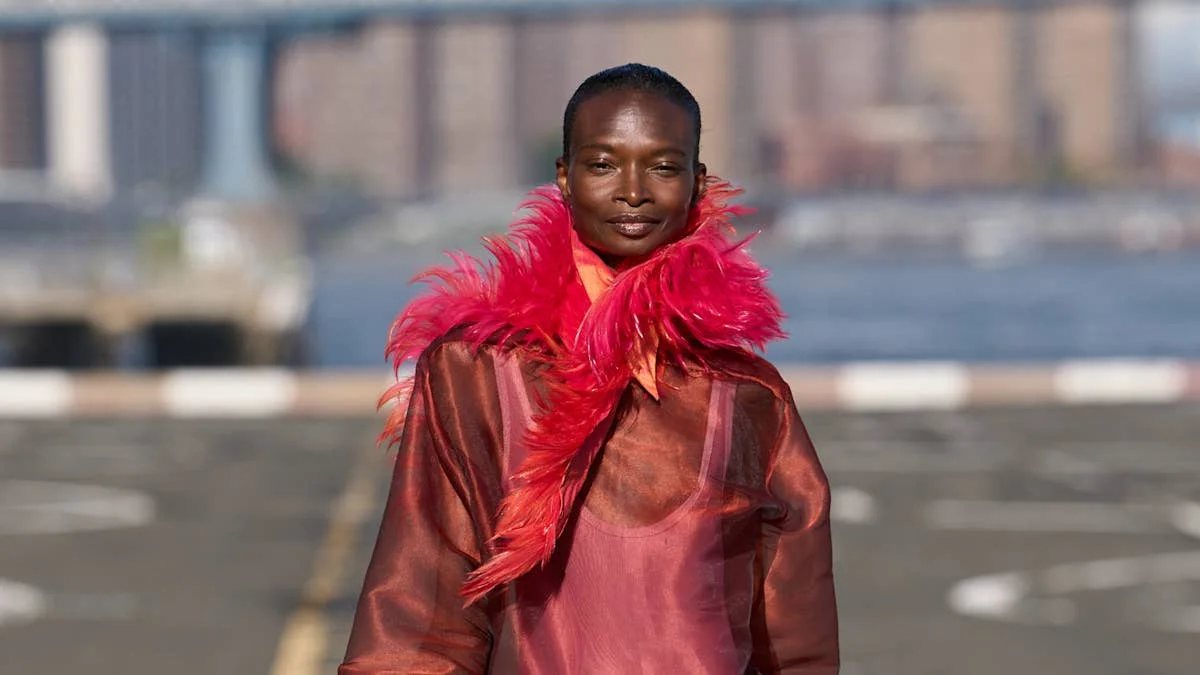
Campillo Spring 2027. Photo: Launchmetrics Spotlight
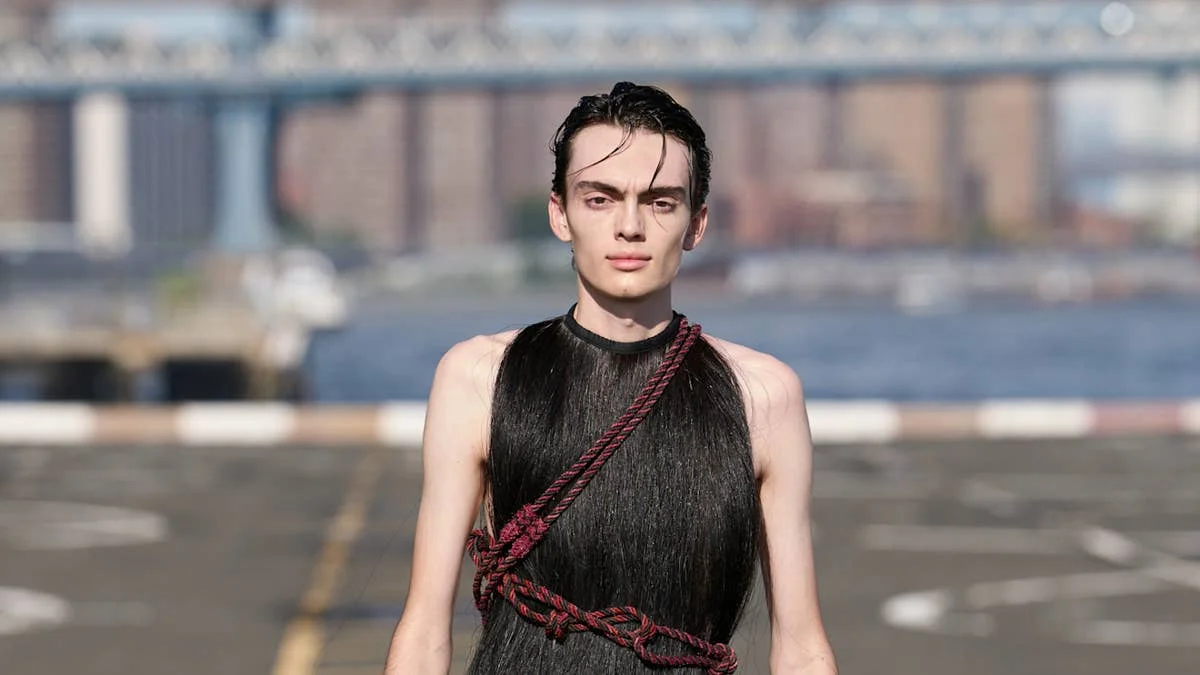
Campillo Spring 2027. Photo: Launchmetrics Spotlight
Environmental Impact and Future Outlook
If you're working in this space, you'll recognize a growing concern about the environmental impact of the fashion industry. Campillo's efforts to incorporate biopolymers and vegetable-based dyes reflect a broader desire among designers to reduce their ecological footprint. These materials are noteworthy not only for their sustainability but also for their potential to revolutionize how we think about materials in general. The textile industry is notorious for its carbon emissions and waste output. By embracing sustainable practices, designers like Campillo are placing pressure on the entire sector to consider its environmental obligations more seriously.
As more designers adopt similar philosophies, the conversation around sustainable fashion will likely evolve. This isn't just about using recycled or organic materials; it's about rethinking the entire supply chain. From production to consumerism, the challenges are numerous but not insurmountable. Campillo stands at the forefront, paving the way for an industry shift grounded in both heritage and innovation. The reliance on made-to-look-leather and other sustainable materials challenges traditional notions of luxury, reminding consumers that style, ethics, and sustainability can coexist.
The Takeaway
In essence, while Campillo's collection may initially appear just as another spotlight on fashion, there’s more to uncover beneath the surface. His exploration of identity, sustainability, and craftsmanship opens up a broader discussion about what fashion should represent in the 21st century. The impact of these choices will resonate throughout the industry, potentially transforming consumer expectations along the way. In a world that demands transparency, evolve or be left behind. Designers will need to be willing to adapt or risk becoming irrelevant.



Discussion
Sign in to join the discussion.