Feyenoord's women falter in league play after a strong European debut, while Ajax continues its scoring spree in the Eredivisie.
Feyenoord's Ambitious Step into European Competition
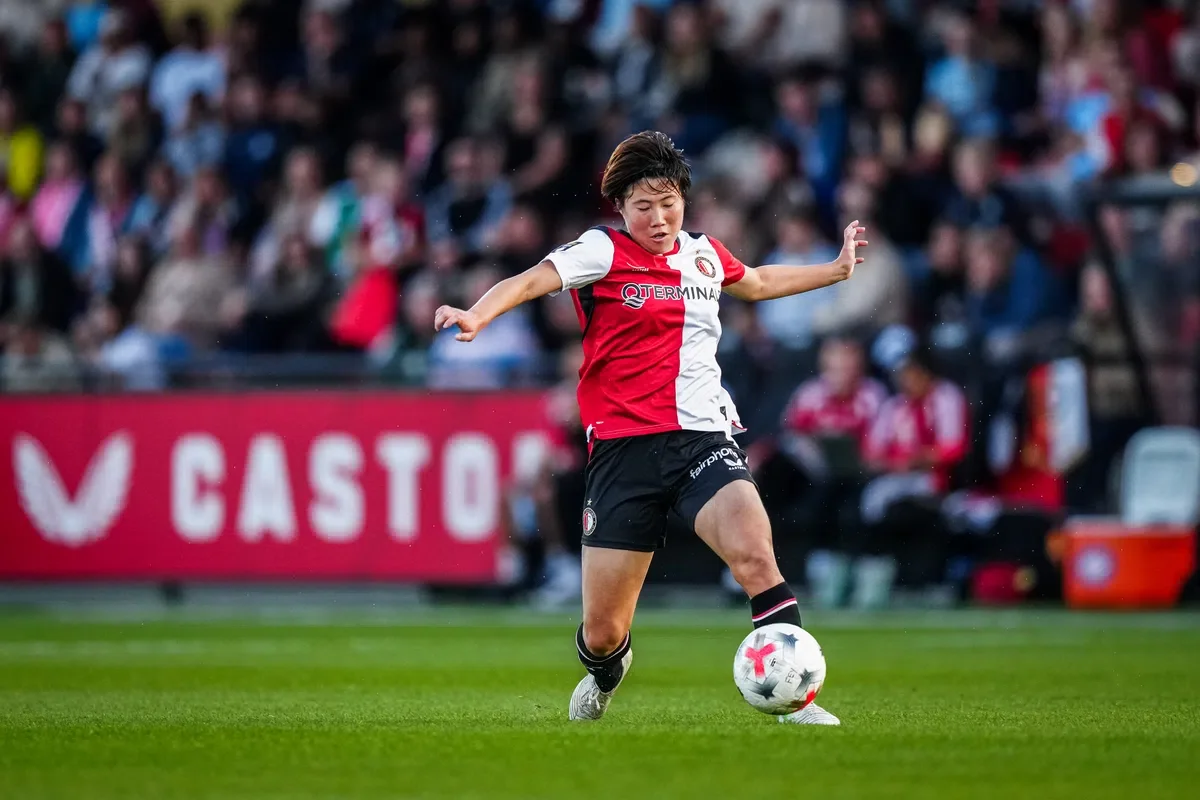
Feyenoord's women's team is navigating uncharted waters as they take their first steps into international competition. Facing Valerenga in the second round of the Women's Europa Cup, the match at Varkenoord represents more than just a game; it's a milestone for the Rotterdam club. This is a pivotal moment not only for Feyenoord but for women’s football in the Netherlands as a whole. Increased visibility on an international stage can boost interest in women's football domestically, attracting new fans, players, and potential sponsors.
However, as they embrace this new venture, Feyenoord is concurrently grappling with local challenges. The stark contrast between their ambitious European aspirations and their domestic struggles creates a complex narrative. For a club marking its first foray into Europe, expectations are high, yet the realities of competitive football can often be harsh. As Feyenoord looks to establish itself, every goal scored or loss taken at home will weigh on them as they seek to build a successful brand in women's sports.
Challenges on the Home Front
PEC Zwolle showcased their competitive edge during their recent match against Feyenoord, making a strong statement in Rotterdam. The visitors wasted no time, with goals from Sophie van Vugt and Judith Roosjen putting PEC ahead 2-0 within the first fifteen minutes. Such a fast start can be demoralizing for any team, especially one trying to find its footing domestically while pursuing European glory. As the game unfolded, Feyenoord demonstrated resilience, with contributions from Sterre Kroeze and Mia Schmid narrowing the gap. Yet, despite their spirited effort, van Vugt’s second goal marked a critical point in the match, solidifying a 3-2 victory for PEC Zwolle.
This loss highlights a troubling trend for Feyenoord. As they struggle to convert momentum into results, they risk frustrating their supporters and undermining their aspirations. In competitive sports, every setback can ripple outward, affecting morale, team cohesion, and even future recruitment efforts.
The Ajax Success Saga
Meanwhile, Ajax's women's squad has been thriving, especially following an unexpected loss to SC Heerenveen earlier in the season. Their decisive return to form is evident in recent results, particularly their demolition of AZ with a commanding 5-1 win and an astonishing 8-0 rout against Aktobe in the Women's Europa Cup. Such results amplify their status as the team to beat in the league.
Their latest match against ADO further illustrated their dominance. With early goals from Sari Kees and Sophie te Brake setting a swift and aggressive tone, Ajax quickly established control. The appearance of Anne van Egmond scoring for ADO momentarily raised hopes, but Ajax's response was overwhelming. Goals from Amber Visscher, Katja Snoeijs, and Daniëlle Noordermeer quickly piled on the pressure, with te Brake scoring two more to complete the onslaught, leading to a 7-1 drubbing.
One key takeaway from Ajax's success is their ability to maintain focus after setbacks. Their resilience not only fosters confidence on the pitch but also allows them to build a formidable reputation in both domestic and international competitions that encourages fan loyalty and player commitment.
PSV's Steady Ascent
In other developments, PSV has demonstrated competence as they secured a 4-0 victory against De Graafschap. Goals from Liz Rijsbergen, Aymee Altena, and Chimera Ripa showcased a balanced offensive that has bolstered their standing. This win places PSV in a position of strength, holding the fourth place in the rankings while closely trailing Ajax and FC Twente, who have the advantage of a game in hand.
This competitive setup is vital for the league’s narrative. With clubs like Ajax and PSV in contention, every match becomes important, and the pressure mounts as teams jockey for position. For players and coaches, this reinforces the need for strategic planning and execution week in and week out.
Implications for the Future of Women's Football
The developments within the women's football scene in the Netherlands point to a shifting dynamic. Feyenoord's attempts to break into the international arena reflect broader trends in women’s sports, where increasing investments are being made at club levels across Europe. If you're working in this space, these dynamics will likely influence how teams market themselves, attract talent, and build followings.
Ajax's success serves as both inspiration and a cautionary tale for their rivals. Their ability to rebound from setbacks and secure big wins is crucial for nurturing a winning culture, something that Feyenoord desperately needs to emulate if they hope to find success.
Looking ahead, one must wonder if Feyenoord can stabilize and rise to mirror the successes of Ajax and PSV, or if they’ll continue to struggle. And while Ajax and PSV demonstrate the upper echelons of the league, the gap between them and Feyenoord underscores the need for investment in training, infrastructure, and strategic partnerships. For women’s football in the Netherlands, the stakes have never been higher—and the outcomes will resonate well beyond just scores and standings.
Discussion
Sign in to join the discussion.