England's commanding 6-0 victory against Croatia marks a historic defeat for the hosts, with young fans in attendance witnessing the rout.
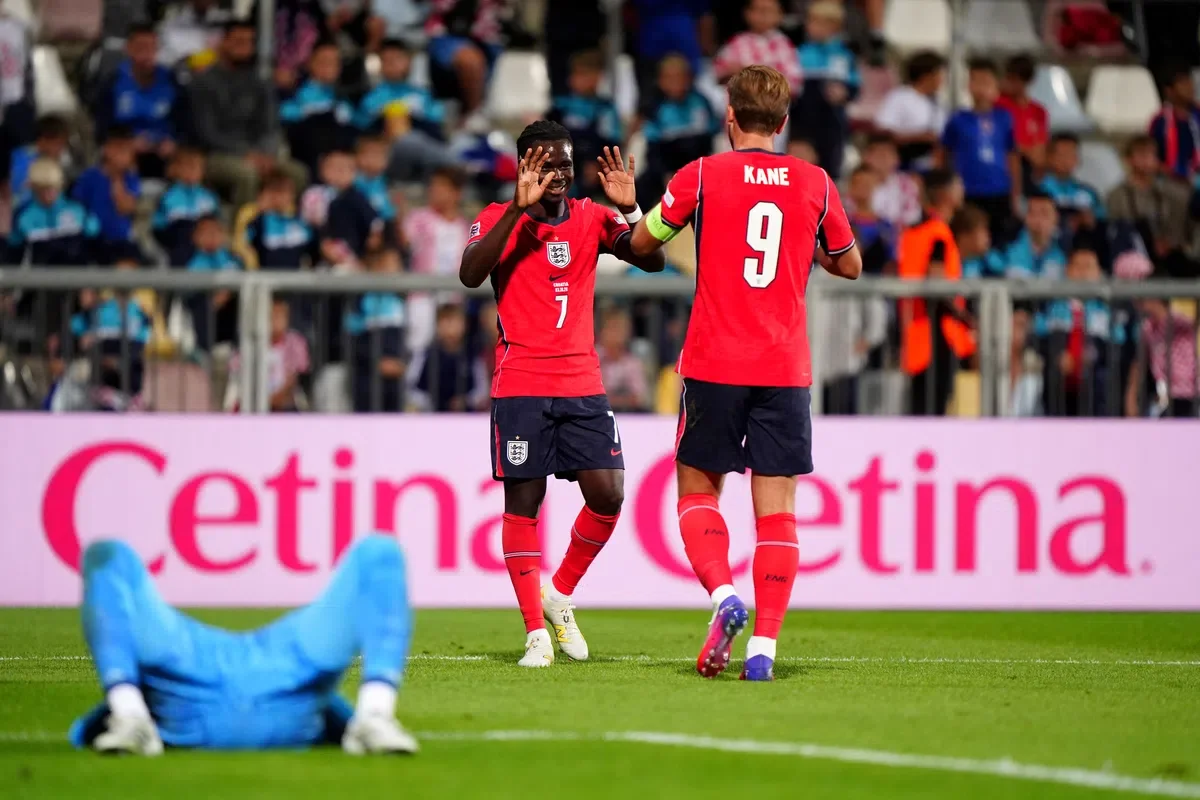
Set against a unique backdrop, the match unfolded in Rijeka, where Croatia's earlier issues with fan behavior led to a youth-only audience. UEFA permits this arrangement when regular fans are barred, resulting in a stadium filled predominantly with children. This approach, while fostering an environment of positivity, does raise questions about the impact of such game settings on player performance and experience.
Match Dynamics and Early Dominance
The young spectators quickly found themselves in despair as England established dominance over Croatia. Just like their previous encounter at the World Cup about four months prior, England breezed through the match. They led 4-0 by halftime, with Harry Kane opening the scoring just eight minutes in from Jude Bellingham's pass. Bellingham then added another, making it clear who was in charge. Together, this duo was a constant thorn in Croatia's side during the World Cup.
This type of performance is indicative of England's recent upward trajectory in international football. Following a rocky start under past management regimes, the current squad has shown remarkable improvement, not only in terms of technical skills but also in their mental fortitude. Establishing an early lead in matches can often demoralize opponents and boost confidence. Here, it was evident that England's players, particularly Kane and Bellingham, thrived under the pressure, producing a cohesive and aggressive offensive strategy that overwhelmed Croatia.
Struggles of the Croatian Side
Despite having key players like Ivan Perisic from PSV starting and former Ajax players Dominik Kotarski and Josip Sutalo on the bench, Croatia struggled to find their rhythm. Their sole meaningful opportunity in the first half came from Mateo Kovacic, who squandered a chance after a solo run. Earlier, Anthony Gordon had made it 3-0 with a header, followed by Bukayo Saka taping in for four. The floodgates were wide open.
This match illustrated Croatia's ongoing struggles since their impressive run in the 2018 World Cup. Many anticipated the team would capitalize on that momentum, but it appears they've been unable to consistently reproduce the form that once took them to the final. The reliance on veteran players, like Perisic, without sufficient support from emerging talent can be problematic, often leaving the team vulnerable to criticism. It's a stark reminder that even strong footballing nations can face significant downturns, especially when there’s a lack of fresh ideas and game strategies.
Kane: The Wrecking Ball
Hoping for a resurgence in the second half, Croatia saw their hopes dashed quickly as Kane netted his second goal after just a few minutes, following a slick play initiated by Elliot Anderson. From this point, Croatia's defensive mishaps only compounded their woes. Josip Stanisic's careless pass in his own box led directly to Saka’s goal, cementing the 5-0 scoreline.
Kane's ability to capitalize on defensive errors showcases not only his skill but also the importance of maintaining composure under pressure. The English striker has developed a reputation as a clinical finisher, which he demonstrated in this match. The stark contrast in performance levels between the two teams emphasized how critical fine margins can be in such high-stakes encounters. Croatia's mental lapses and lack of coordination were striking, revealing deep-rooted issues that need addressing if they're to recover any competitive edge.
An Unpleasant Record
The cherry on top for Croatia was Saka's sixth goal, equaling the national team's previous record loss from 2018 against Spain. In the final twenty minutes, Morgan Rogers capitalized on a missed offside call, expertly controlling a long ball to complete the rout, leaving Croatia with a painful reminder of their shortcomings as they prepare for an upcoming match against the very Spanish team that inflicted their last record defeat.
Such record-setting losses can shake a team's confidence, especially as they approach key fixtures. For Croatia, this raises questions not just about the current squad's resilience, but also about their tactical approach leading into future matches. Dealing with the mental ramifications of such a defeat is often as important as the physical preparation for the next game. If you’re working in this space, you’ll understand that building a new strategy while recovering from a blowout like this is no easy feat.
Implications and Future Outlook
This match's outcome could signal a turning point for both teams. England seems set on a trajectory of success with a blend of youth and experience. Meanwhile, Croatia's defeat may prompt a reassessment of tactics and player roles heading into future tournaments. What this means for you, if you’re keeping an eye on international football, is that changes may be imminent in Croatia’s lineup. Coaches will need to weigh the experience of older players against the potential spark of younger talent.
This game also serves as a cautionary tale about over-reliance on star players and the necessity of a solid supporting cast. Football clubs and national teams alike need to cultivate depth in their rosters to withstand the ebbs and flows of competition. As for Croatia, there's a pivotal task ahead—rebuilding strategies, strengthening defensive structures, and crafting a more cohesive team identity will be essential if they aim to avoid such humiliating defeats in the future.
-
2 4 6
-
3 8 6
-
3 -9 3
-
2 -3 0




Discussion
Sign in to join the discussion.