Ranch dressing is making a culinary comeback, evolving from a mere dip to a featured component on restaurant menus across the country.
The Cultural Significance of Ranch Dressing
Ranch dressing has long been a topic of debate, revealing much about personal tastes and cultural backgrounds. While some see it as a staple alongside fresh salads, others embrace its versatility, draping it over everything from fried chicken to pizza. This debate isn't just about flavor profiles; it's a reflection of the socio-cultural dynamics of food consumption in America. Many grew up with ranch as a familiar companion to meals, while others may view it as an indicator of culinary laziness. The clash illustrates not just preferences but also differing connections to food traditions and modern gastronomic movements.
Chef McKenna Lelah's Ranch Renaissance
Consider chef McKenna Lelah of Lapaba in Los Angeles, who has taken ranch to new heights. With her yuzu kosho ranch, which accompanies fried chicken, Lelah has won over diners even amidst skepticism from her peers. “I love ranch, but I also have that nostalgic 90s connection,” she shares. The unique blend features traditional ranch ingredients like dill, but introduces creme fraiche, yuzu juice, and yuzu kosho for a tangy, spicy twist. It’s these creative adaptations that have reignited interest in ranch dressing. Lelah views ranch as more than just a condiment — for her, it’s a flavor vessel. “When I’m eating ranch, I’m mostly using the food as a vehicle to get the ranch to my mouth.” This insight speaks volumes about how many diners approach meals today: food isn't merely for sustenance but also a means of enjoying robust flavors.
Ranch's Culinary Evolution
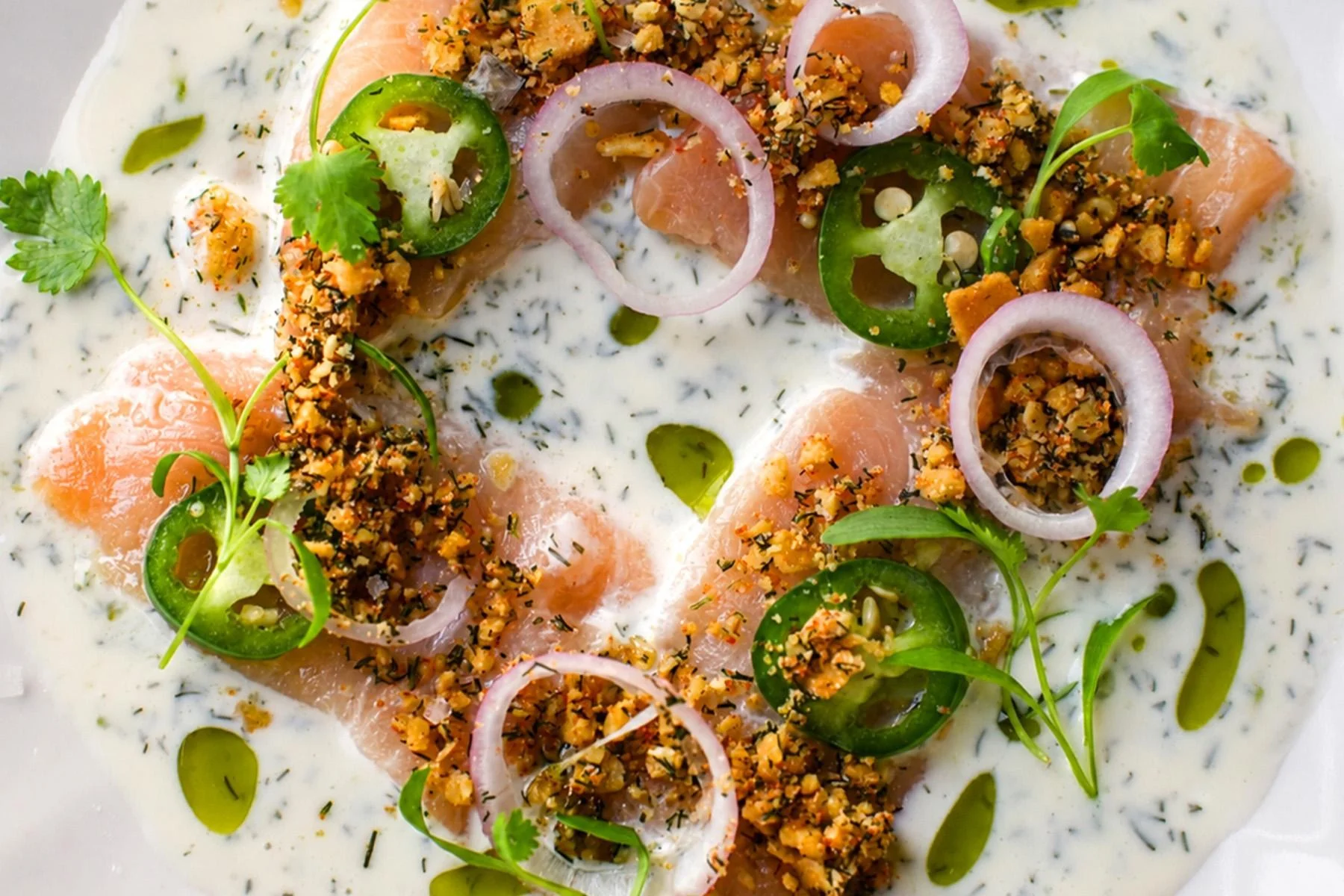
This trend isn't isolated; across the U.S., chefs are reimagining ranch as more than just a dip. Take Bistro Amasa in Santa Barbara, led by chef Julian Martinez, who draws on nostalgia with creations like cocktail crudo that nods to Cool Ranch Doritos but with refined flavors. Ranch dressing has found unexpected roles in upscale dining, serving as inspiration for luxury interpretations. Meanwhile, in San Francisco, restaurants are elevating ranch dressing through creative interpretations — from “fancy ranch” composed of dill and chives at Popi’s Oysterette to wasabi ranch at Prubechu, a unique offering from the city’s only Chamorro restaurant. It's fascinating how a condiment often relegated to backyard barbecues is now finding its place in the higher echelons of the American dining experience.
From Simplicity to Staple
The evolution of ranch traverses its origins in the 1950s when Steve Henson crafted it to enhance his workers' salads. Initially a humble dressing served in a rustic setting, it has become a quintessential American condiment, facing little competition except for a brief surge by Italian dressing in the 1990s. A post-pandemic resurgence in condiment consumption saw ranch dressing gaining renewed popularity, buoyed by consumer craving for comfort food. It’s notable how, during difficult times, people often gravitate towards flavors that evoke comfort and familiarity; ranch dressing certainly fits that bill, serving as both a nostalgic element and a culinary blank canvas.
Modern Trends and Social Dynamics
Today, ranch’s cultural relevance has seen a significant upswing, particularly in light of trends such as what writer Bettina Makalintal dubs “The Great Chickening.” There’s a growing appetite for comfort foods like rotisserie chicken, which pairs perfectly with ranch. A standout in New York City is Cleo Downtown, where the menu features Lebanese-inspired comfort food, including a standout labneh ranch, highlighting the condiment's versatility. This duality of flavors not only appeals to diverse palates but also showcases ranch dressing's adaptability across cultural lines.
International Spotlight and Viral Fame
The 2026 FIFA World Cup further accelerated ranch's popularity, placing it front and center on an international stage. Viral videos depicting tourists traveling with bottles of ranch dressing spark curiosity and even hype. Kraft even responded to this newfound adoration by producing TSA-compliant mini bottles, reflecting ranch’s rise as a quirky cultural phenomenon in American culinary discourse. This unexpected spotlight has elevated ranch from mere kitchen condiments to a symbol of American food culture, one that is being shared and debated around the globe.
The Great Debate: Love It or Leave It?
However, despite its demand, ranch still faces criticism. Forums and social media threads unfurl a spectrum of opinions, where ranch lovers defend it as an essential flavor enhancer, while critics express their disdain with humor and mockery. This distaste isn't just a matter of personal preference; it often delves into broader discussions about culinary elitism and the perceived value of comfort foods versus gourmet offerings. What remains undisputed is ranch’s emotional resonance for many diners, enveloped in nostalgia and comfort. There’s undoubtedly a sense of community shared amongst those who embrace its simplicity.
The Future of Ranch Dressing
Lelah’s reflections on ranch capture the duality of its reputation: “There’s a weird shame around ranch,” she admits, yet emphasizes that its simplicity and familiarity keep it relevant on modern menus. Chefs continue to innovate while respecting culinary traditions, but what this means for you, the consumer, is a growing variety of ranch offerings that reflect personal taste and cultural influences. The condiment is likely to see an even broader reinterpretation, adapted to suit both elevated dining experiences and casual meals alike. It stands firm as a dish that both delights and confounds, embodying the complexities of American food culture. The implications of this trend extend beyond just food; they weave into larger conversations about identity, nostalgia, and the evolving landscape of American cuisine. As ranch continues to evolve, fun to think about how it might blend into future culinary movements—perhaps a fusion with global flavors or perhaps even a health-conscious twist.



Discussion
Sign in to join the discussion.