HMLTD Announces New Album 'FANGS' and Single "I Used To Ride In Limousines"
Filing Date Sep 02, 2026Audience 605Byline Joseph Smith
HMLTD returns with their album 'FANGS', showcasing a new electronic sound and exploring themes of success and failure. Catch their single now!
HMLTD's Bold Return with 'FANGS'
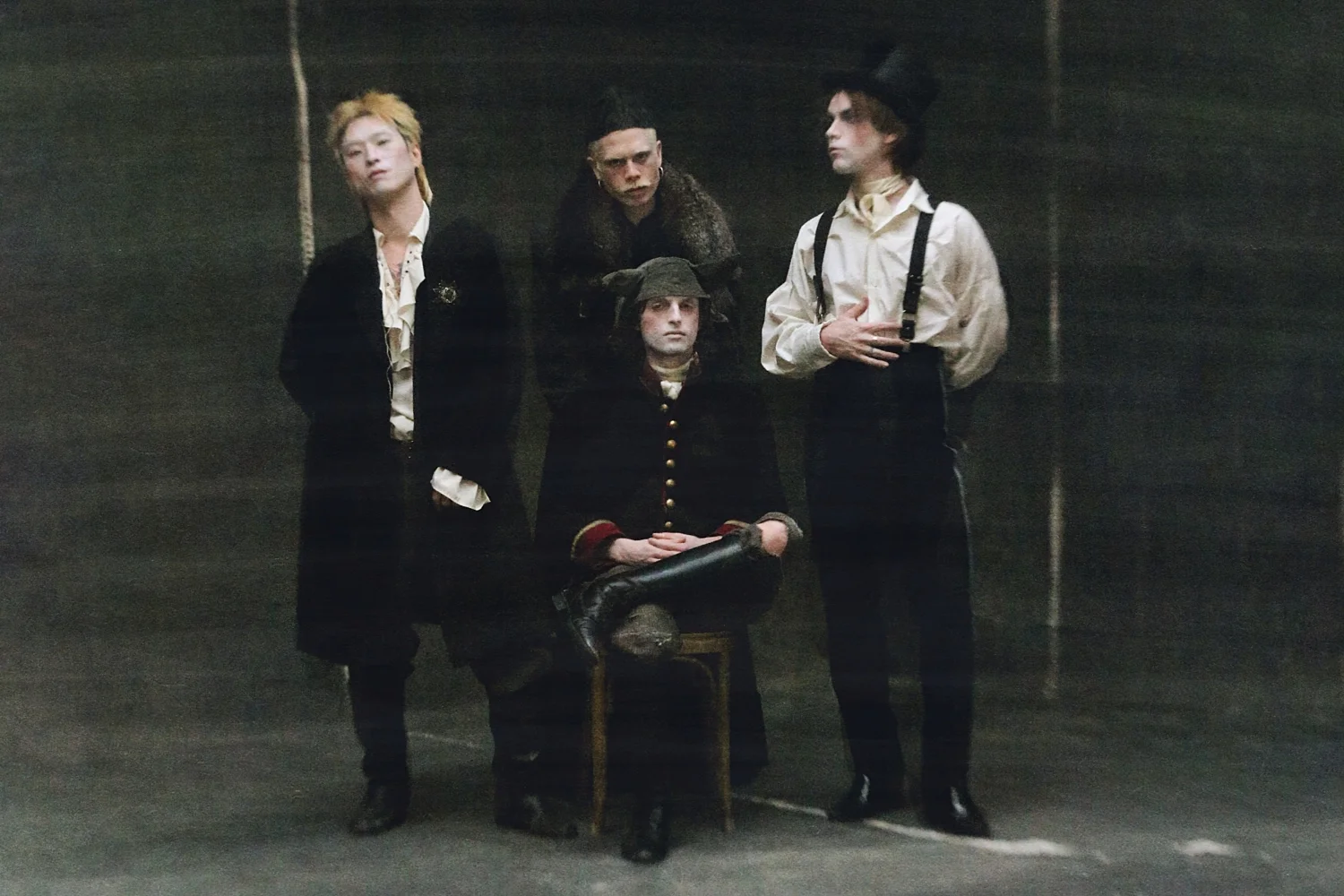
HMLTD is making a notable comeback with their anticipated album 'FANGS', which will release on October 23rd through Lucky Number. In tandem with this announcement, the band has unveiled a new single titled "I Used To Ride In Limousines" and a visually striking video directed by their frontman, Henry Spychalski. This release is not just another addition to their discography; it represents a significant pivot in their musical direction.
The band's latest work marks a departure from the orchestral stylings of their previous album, 'The Worm', released earlier this year. Instead, 'FANGS' dives headfirst into electronic soundscapes, incorporating elements of rave synths, EBM (Electronic Body Music), goth, and even hints of black metal. Drawing from a palette of influences that range from pivotal bands like Bauhaus and Suicide to the sonic experimentation of Crystal Castles and Justice, HMLTD has coined their new sound as “Götherdammerüng” or “ÜberGöth.” This branding suggests a self-aware blend of cultural references that injects a fresh perspective into their music.
Recorded in a dilapidated château in the Loire Valley, the atmosphere of their recording environment undoubtedly seeps into the music—a creative decision that adds a layer of intrigue both musically and thematically. Lyrically, 'FANGS' isn’t shy about tackling heavy themes such as failure and societal expectations regarding success. In discussing "I Used To Ride In Limousines," the band describes it as a meditation on the nuances of achievement and the peace that can be found in failure. They emphasize a rejection of conventional notions of success, asserting that personal worth should not be tied to productivity or ego.
This approach is refreshing in a landscape where many artists chase mainstream validation. It positions HMLTD not just as musicians, but as commentators on modern life's pressures. For those in the industry, this shift may signify a broader trend where artists prioritize artistic integrity over commercial appeal.
Fans can also catch HMLTD live when they perform at London’s Village Underground on March 4, 2027—mark your calendars to experience their newly evolved sound firsthand. And to get a taste of their fresh material, check out "I Used To Ride In Limousines" in the player below.
Looking Ahead: The Significance of Upcoming Festivals
As we anticipate the musical offerings of the future, events like The Great Escape are more than just gatherings; they're barometers for emerging trends. The recent reveal of the "First Fifty" lineup for the 2027 edition indicates a fascinating trajectory for the festival scene. With artists pushing boundaries and redefining genres, it suggests a brewing renaissance in live music, crucial for those of us watching the industry closely.
Here's the thing: these festivals aren’t just about the headline acts; they often spotlight up-and-coming talent that could shape the next wave of music. If you're embedded in the music scene—whether as an artist, manager, or promoter—this early lineup could serve as a key indicator of where the industry might head. The names listed aren't just abstract figures; they represent the grassroots level of musical innovation.
On another note, the buzz surrounding the lineup also raises questions about inclusivity and diversity in festival programming. Are we really seeing a broad spectrum of voices, or do these events still favor certain demographics? While the initial names may look promising, the true test will be in how well these festivals reflect the wide array of music being created today.
Moreover, events like The Great Escape intersect with media narratives and marketing strategies, influencing not just music consumption but also how fandom itself evolves. As artists like Ezra Collective grab the spotlight in mainstream media—such as being featured on the cover of DIY's September 2026 issue—they remind us of the cyclical nature of music popularity and cultural relevance.
In sum, the excitement around upcoming festivals, evidenced by news and artist announcements, hints at a vibrant music scene that's ready to innovate. However, to fully understand its trajectory, we must remain critical and engaged. Are the platforms elevating diverse talents genuinely reflective of our current musical ecosystem, or do they simply serve the established norms? The answers to these questions could define our future soundscape.

Discussion
Sign in to join the discussion.