Levski Sofia, now led by Julio Velázquez, presents a unique tactical challenge for NEC following their recent successes in Bulgarian football.
Levski Sofia's Rise in Bulgarian Football
In an unusual turn for Bulgarian soccer, Levski Sofia managed to dethrone Ludogorets Razgrad last season, showcasing their growing strength under the guidance of Julio Velázquez, who previously managed Fortuna Sittard in the Netherlands. This marked a significant moment not just for Levski, but for the entirety of Bulgarian football. Historically, Ludogorets has dominated the scene, repeatedly clinching titles and representing Bulgaria in European competitions. Levski’s achievement signals a shift, raising questions about the competitive dynamics of the league.
What's intriguing here is the context of Velázquez's influence. His coaching style, rooted in his experiences in the Netherlands, typically emphasizes possession-based football and youth development. In a league that has often seen reliance on physical play and established stars, this method represents a philosophical pivot. As Levski has embraced a more modern approach, they’re setting a template that could inspire other clubs in Bulgaria to rethink their strategies.
Champions League Experience
Despite their impressive domestic performance, Levski Sofia faced a setback in the Champions League qualifiers, where they were eliminated by AEK Athens. Their European journey continued with a challenging start in the Europa League, marked by a close loss at home to Red Bull Salzburg (0-1). These early exits underline a recurring issue for many clubs in Eastern Europe: the gap in resources and experience when competing against established teams from Western Europe.
Levski's journey in these competitions highlights a common thread amongst clubs from leagues that are still developing. They enter these tournaments with ambition, but often lack the depth of squad and experience necessary for a longer run. However, there’s an upside to these experiences; even in defeat, the exposure to higher levels of play can be an invaluable learning opportunity. For Levski Sofia, what’s critical now is how they translate the lessons learned from these matches into future successes, both in domestic and European contests.
Current Domestic Performance
On the domestic front, Levski Sofia remains unbeaten, currently sitting atop the league standings. This solid form highlights their ability to build on last year's achievements, setting up NEC for a tough challenge. Their current unbeaten streak not only demonstrates their resilience but also instills confidence within the squad, a crucial factor that can often dictate performance in high-pressure matches.
The stability in their domestic performance contrasts sharply with their European outings. While they may have faltered on the continental stage, their consistency in Bulgaria signals that they have the potential to dominate the league for seasons to come. This duality brings an interesting narrative to the forefront; clubs like Levski must navigate their ambitions both in domestic play and European competitions. If you're working in this space, one thing becomes painfully clear: winning at home is only half the battle.
Tactical Insights for NEC
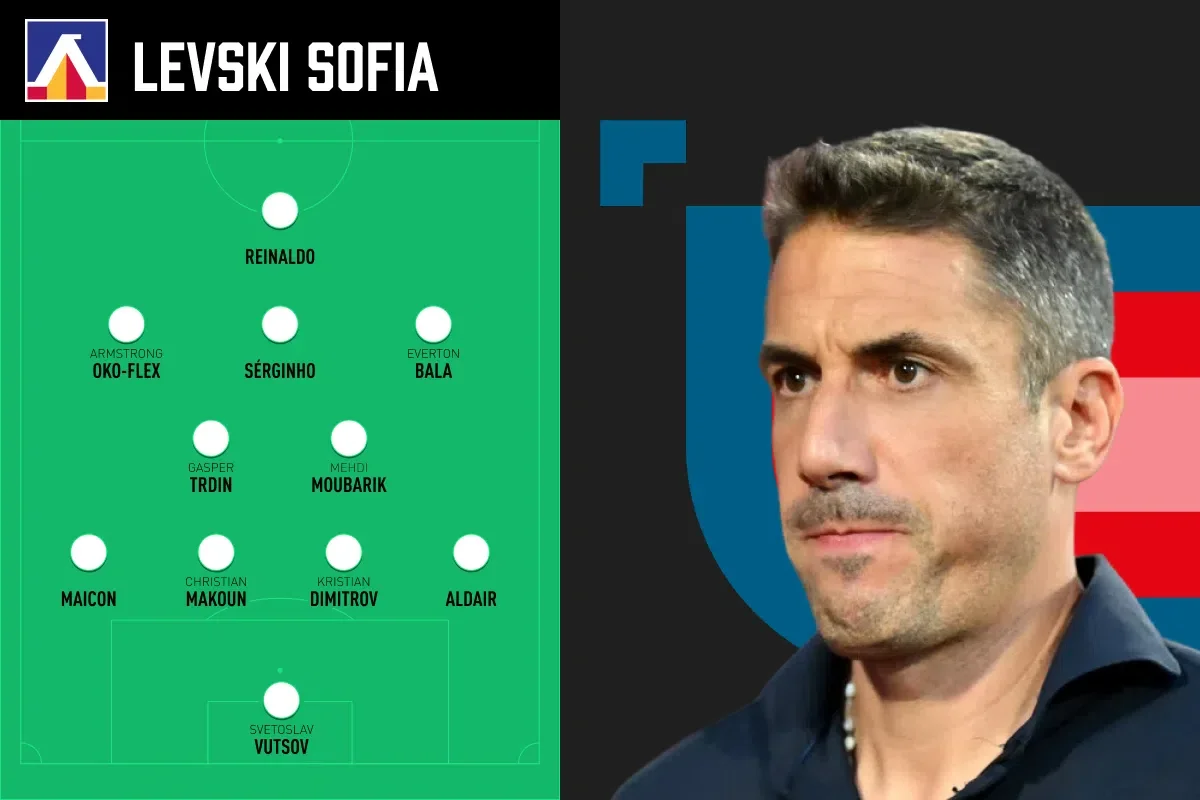
Observations on Levski's gameplay reveal a distinctive tactical approach that could pose problems for NEC, who will need to prepare thoroughly ahead of their upcoming clash. Levski often employs a high-pressing strategy that looks to unsettle their opponents, a tactic that, if executed well, can create goal-scoring opportunities quickly. This is more significant than it looks; NEC will need to adapt their strategy, possibly choosing to play a more conservative game to absorb Levski's intensity.
Moreover, Velázquez seems to emphasize fluidity in attack, encouraging players to interchange positions frequently. This creates unpredictability—defenders struggle when they can't pin down specific threats. Such a style could put NEC's backline under real duress, particularly if they haven't faced teams with similar tactical flexibility. And yet, intricacies of mind games come into play; anticipating Levski's movements and countering them effectively could be the key to success for NEC.
Implications of Levski Sofia's Performance
Levski Sofia's rise in both domestic and European contexts is emblematic of the shifting tides in Bulgarian football. As they establish dominance in the local league, it poses broader implications for the ecosystem of clubs in the country. In recent years, we've seen a trend where domestic leagues are becoming less predictable, with traditional powerhouses occasionally being challenged by upstarts. This can be a double-edged sword: more competition may drive clubs to invest in better facilities and talent, or it could stretch resources thin, leading to a decline in overall competitiveness.
What this means for you, if you’re a stakeholder in Bulgarian football, is that the landscape is ripe for investment and innovation. Teams might reconsider their youth development strategies, cultivate local talent, and even explore partnership opportunities with clubs from other leagues. How Levski navigates the next few months, particularly regarding European qualifications, will be critical. Success or failure in those competitions can have lasting consequences, impacting not onlyLevski's trajectory but potentially reshaping the future of Bulgarian football as a whole.
As they confront growing challenges, Levski Sofia represents a microcosm of many teams globally: the balance between domestic success and the desire to compete on a larger stage. Their story is unfolding, and watching how they adapt will be compelling for fans and analysts alike.
Discussion
Sign in to join the discussion.