Inter Milan’s coach Cristian Chivu reflects on his team's resilience and the need for improvement after multiple comeback victories this season.
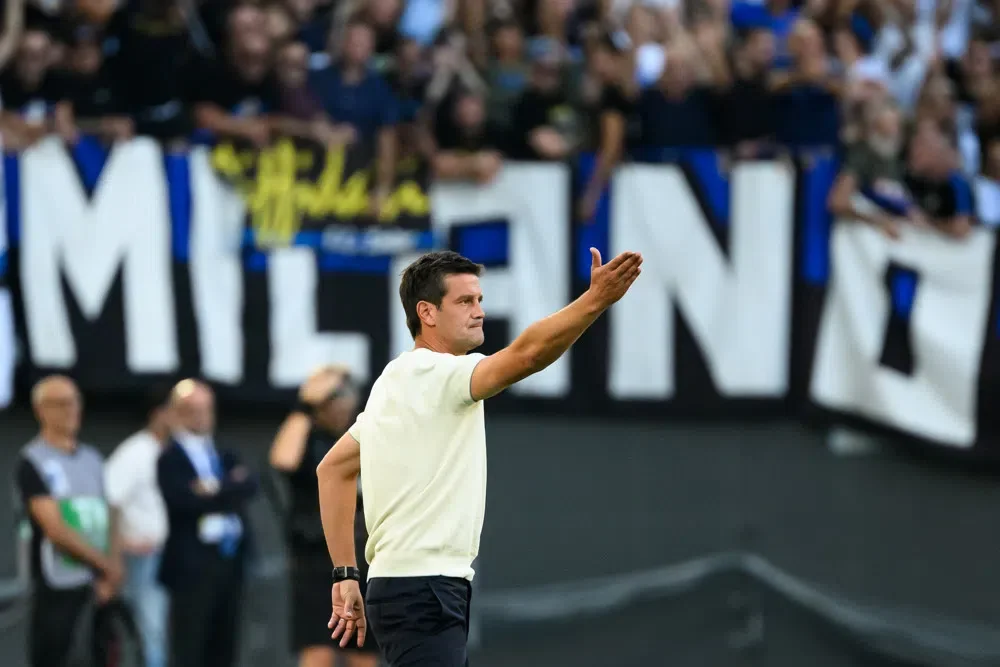
Inter Milan has displayed an uncanny ability to recover from deficits this season, recently overcoming a 0-2 deficit against Udinese to win 3-2. This match followed another comeback against Napoli just days earlier, highlighting the team's resilience as they strive to maintain their title challenge. The spirit of a team can often be derived from its capacity to bounce back after facing adversity, and Inter's recent performances suggest a deep-seated determination crucial for high-stakes football.
Under the guidance of Cristian Chivu, who took over from Simone Inzaghi in the summer of 2025, Inter has managed to erase a two-goal deficit in a league match for the sixth time this season. Comparatively, they achieved this same feat only six times over the previous ten seasons. Such statistics demonstrate Chivu’s tangible impact on the team's mentality, though it is clear that challenges remain. Chivu's appointment marked a significant pivot for the club, transitioning from Inzaghi’s strategic approach to one that appears more attuned to galvanizing player morale. Yet, the overall performance still raises questions about consistency and strategy, essential elements in a campaign for silverware.
First-Half Struggles
Chivu expressed frustration with his team's performance during the first half of their latest match, opting to focus his analysis solely on the second half. “I’m starting with the second half because I already told the players what I thought of the first half,” he told DAZN Italia cryptically. He emphasized that the players understood his disappointment, indicating a pressing need for better first-half performances as they continue to compete at the top level. This isn't just a tactical oversight; it points to a broader issue of mindset going into matches. When teams start slow, they not only allow opponents to dictate the pace but also heighten their own mental burden in chasing the game.
Martínez's Concerns
Striker Lautaro Martínez echoed Chivu's sentiments regarding the first half, refusing to elaborate on what went wrong. “Let’s not talk about the first half; our attitude was simply not right,” he declared. By stating this, he underscores a common yet often overlooked theme in team sports: mentality. He also stressed the importance of starting matches with the right mindset, pointing out that surrendering a half in crucial games poses significant challenges for the squad. If you're working in this space, you know how vital it is to set the tone early. Teams that fail to perform in the first 45 minutes often end up chasing games, which can result in physical and mental fatigue as the match progresses.
Both Chivu and Martínez took a moment to acknowledge the recent passing of Inter legend Sandro Mazzola, reflecting on his profound influence on the club and its legacy. Mazzola's significance goes beyond just numbers; he represented a golden era for the club and served as a model for generations of players. The acknowledgment of his passing, especially during a season marked by stark highs and lows, speaks volumes about the connection players maintain with the club's history and culture. And this is the part most people overlook: the emotional and psychological weight that such legacies can instill in current players as they navigate their challenges.
Implications for the Season
The current statistics and testimonials from both Chivu and Martínez encapsulate an interesting dichotomy within Inter Milan's season. On one hand, the ability to mount comebacks points to a resilient core, vital for navigating the grueling demands of league play. But on the other hand, the persistent issues in their first-half performances suggest that without fundamental improvements across the pitch, these comebacks may not always yield the desired outcomes. Teams at the top of Serie A are often unforgiving, and drop points against weaker opponents can severely hinder title aspirations.
This inconsistency raises pressing questions about how Chivu's tactical approach can evolve to ensure that his squad is firing on all cylinders from the kickoff. The players will need to cultivate a mentality where they can effectively start matches with focus and intensity, as allowing opponents to gain early traction can be detrimental in a league where margins are thin. With important fixtures ahead, tightening this area of the game will be paramount for Inter if they wish to sustain their title challenge.
There's also the element of psychological pressure. When a team has a habit of coming back from deficits, it can create a double-edged sword. As impressive as it is, the pressure to always mount comebacks can be taxing, leading to complacency in other areas like early match performance. It’s a balancing act that Chivu will have to navigate if he hopes to lead Inter to a successful season.
Discussion
Sign in to join the discussion.