In a new memoir, Charles Spencer shares Princess Diana's belief that King Charles was emotionally involved with his valet, revealing her struggles before divorce.
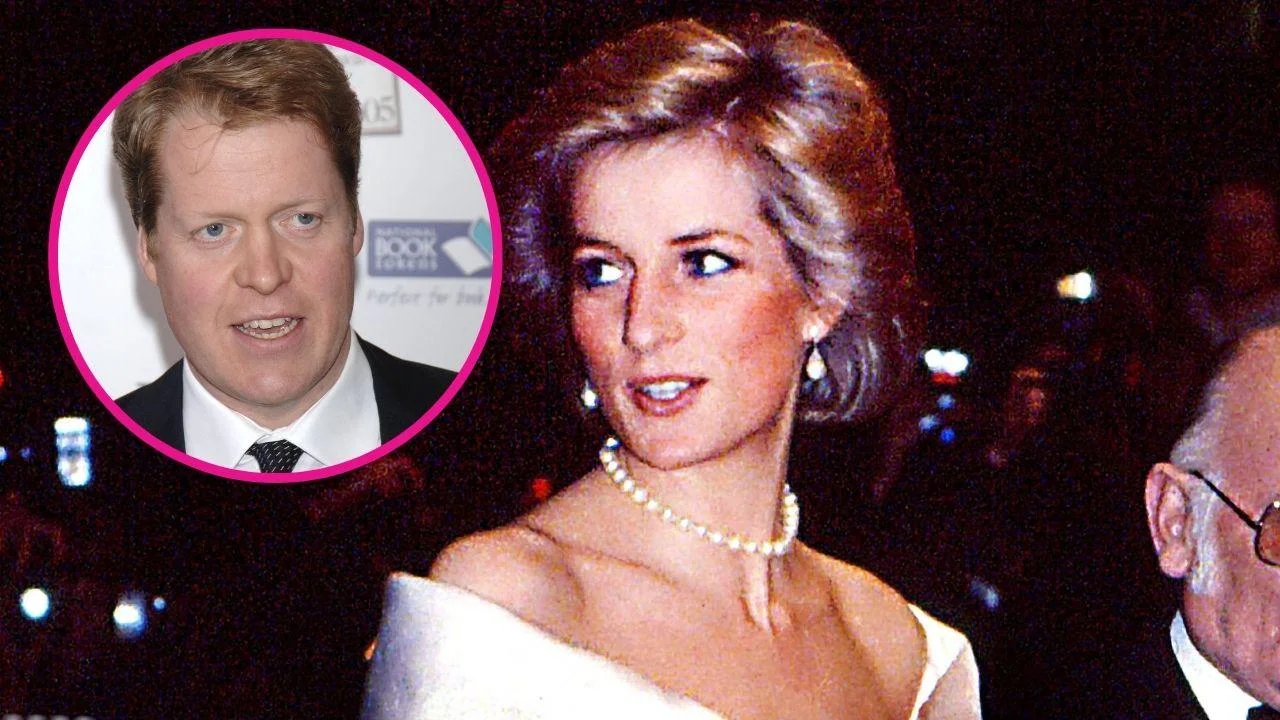
Princess Diana confided in her brother, Charles Spencer, that she suspected her ex-husband, then-Prince Charles, was emotionally attached to his valet, according to excerpts from Spencer's forthcoming memoir, Swan Song: Diana, My Sister. This surprising revelation offers a glimpse into Diana's mindset during her troubled marriage. Such personal insights into her emotional state underscore the challenges she faced, reshaping public understanding of her experiences beyond the polished image often portrayed by the media.
She Was Determined to End the Fairy Tale
During a lunch at San Lorenzo in London, Diana, affectionately called "Duch" by her family, dropped a bombshell: "Carlos, I’m going to get divorced." Spencer described his immediate silence, recognizing the gravity of her declaration. It wasn’t just a marital decision; it was a rejection of the carefully curated fairytale that had captivated millions. He voiced his concerns about public perception, warning her, "I fear they won’t forgive you. They’ve bought into a fairytale, and I reckon they may well — wrongly — blame you for destroying their fantasy." This statement reflects a deep understanding of the intense scrutiny Diana faced, as public figures often find themselves battling not just personal struggles but also the weight of societal expectations.
A Heartbreaking Confession
As the conversation progressed, Diana shared a deeply unsettling sentiment, saying, "But, Carlos, my husband is in love with his valet." This confession clearly shocked Spencer, who felt compelled to respond, "Well, I guess, in that case, you really don’t have a choice." Here, Diana's candidness exposed the fragility of their marriage, highlighting her sense of betrayal and isolation. For many, such revelations may seem startling, yet they resonate with the often-hidden struggles that accompany life in the royal spotlight. Spencer's commentary emphasizes that the name of the valet was inconsequential; the real issue lay in the emotional upheaval it caused within Diana and the disintegration of her marital aspirations.
Facing Difficulties from the Start
Spencer reveals that Diana admitted early on in their marriage that things were "very difficult indeed." This statement is revealing; it underscores that their relationship had been fraught with tension and dissatisfaction from the outset. Rather than placing blame solely on either party, Spencer takes a reflective approach, documenting his sister’s feelings while acknowledging the shared struggles of both Charles and Diana. This method of storytelling allows readers to grasp the complexities inherent in their union—one that was perhaps never meant to meet the lofty ideals projected onto it. A marriage that began with so much promise quickly became an emblem of heartache.
Tragic Endings and Fragile Realities
Princess Diana and King Charles divorced in 1996, but their turbulent relationship began long before that pivotal moment. The couple's widely televised wedding on July 29, 1981, at St Paul’s Cathedral was a global spectacle, watched by over 750 million people. But following the birth of their two children, the cracks began to show. Their official separation occurred in 1992, with the divorce finalized on August 28, 1996. Tragically, less than a year later, Diana would die in a car crash, a fate that added another layer of sorrow to their story.
In retrospect, Diana and Charles both acknowledged that their relationship was flawed from its inception. Experts suggest that, over time, Diana came to realize she was not the main love of Charles' life. The emotional bond between him and Camilla had profound implications for their marriage, leaving Diana feeling unfulfilled and neglected. A deep sense of rejection permeated her final years, as she attempted to forge her own identity outside the royal confines.
Implications for the Royal Narrative
The revelations in Spencer's memoir are significant, challenging the long-held romanticized narrative surrounding Princess Diana and Prince Charles. If you're working in this space—or merely interested in royal history—these candid insights shift perceptions about their relationship. They expose the darker side of a figure often celebrated for her compassion and humanity, revealing vulnerabilities that resonate with many who have faced betrayal and isolation.
This memoir will likely spark discussions not just about Diana, but about the institution of the monarchy itself, scrutinizing its influence on personal happiness and the pressure it imposes on individuals. As more private thoughts become public, there's a chance for deeper understanding of the complexities behind royal personas. Public sentiment may shift as tales like these unravel the glossy veneer, forcing a reconsideration of how royals are perceived—not just as icons but as flawed humans struggling against the odds.
Amid conversations about emotional well-being in public life, Diana’s story resonates on multiple levels. Her experiences remind us that behind every public figure is a private story of struggles, choices, and eventual regret. This isn’t just a story about royalty; it's a reflection of the human condition.

Discussion
Sign in to join the discussion.