A juror in the Lindsay Clancy case reveals he believed her guilty from the start, igniting debates about jury dynamics and reasonable doubt.
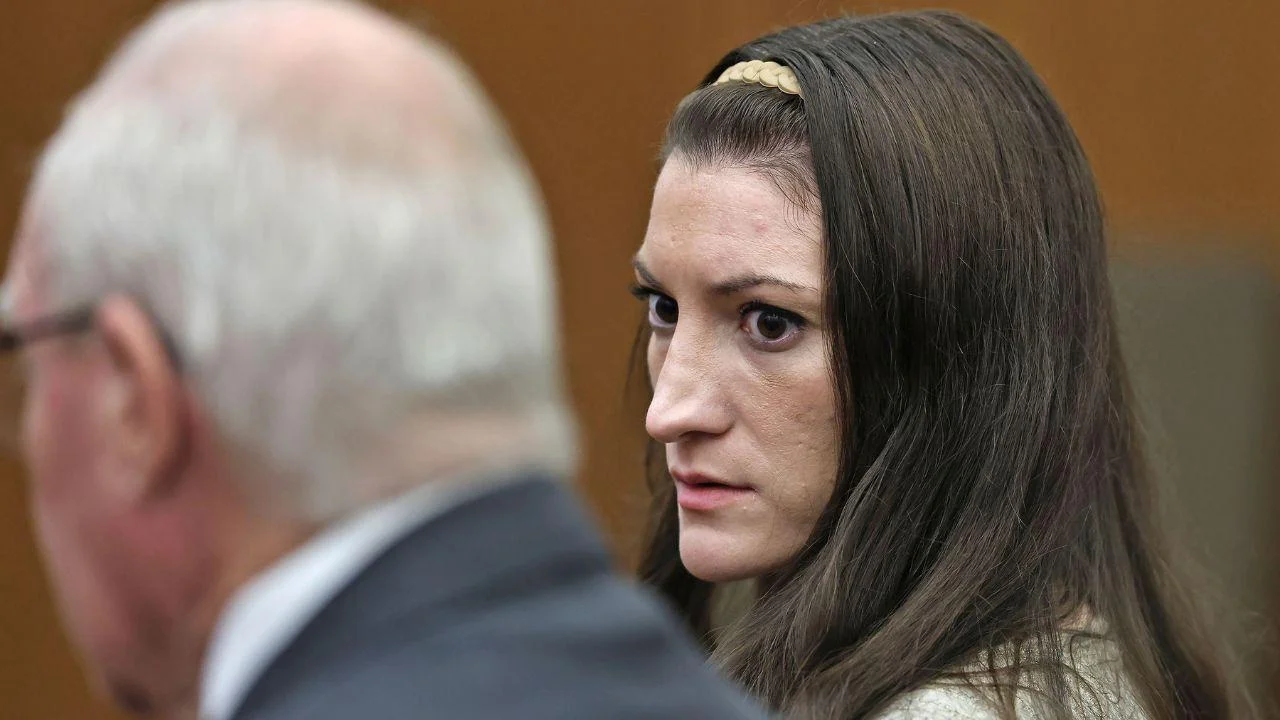
The recent Lindsay Clancy case has taken another turn with explosive statements from the lone holdout juror. The juror, who’s been publicly identified only as Michael, expressed that his conviction of Clancy's guilt was unwavering from the start of the trial. This revelation raises questions about the dynamics within the jury room and the concept of reasonable doubt. For a case involving such intense emotions, these insights are anything but trivial.
The Mistrial and Jury Dynamics
The trial concluded in a mistrial on September 4, revealing the complexities of jury deliberations. Many believe that a split jury reflects broader societal divisions, especially in cases that touch on sensitive issues like maternal mental health. Interestingly, Michael's stance that he "always felt that she was guilty" highlights deeper fractures within the jury's discussions. His dismissal of reasonable doubt amplifies the already significant tension in the room and points to the impact of individual biases on collective decision-making.
Marcel, who spoke with Michael for an hour over the phone due to safety concerns for the juror, reiterated the latter's consistent belief in Clancy's guilt. The weight of such a firm opinion from a single juror begs the question of how a minority voice can influence the dynamics and outcomes of a trial. Carlson described a critical moment when her enthusiasm for filling out forms to convict Clancy quickly evaporated. She halted when the holdout expressed serious reservations about the mother's sanity. (This is the part most people overlook: a single voice can disrupt a seemingly clear consensus.)
The Charges Against Lindsay Clancy
Lindsay Clancy stands accused of brutally murdering her three young children in January 2023. Such crimes spark visceral reactions in communities, often leading to polarized opinions that clash with legal principles. Clancy’s defense argues that she was undergoing a severe postpartum psychiatric episode, a claim designed to illuminate her mental state during the tragic events. Since her arrest, she’s become emblematic of broader discussions surrounding maternal mental health, but her case is complex and contentious.
Clancy, who suffered paralysis after a suicide attempt, has pleaded not guilty by reason of lack of criminal responsibility. The interplay of her mental health and the severity of her actions raises significant questions about culpability. Clancy’s defense includes documentation of her prescriptions, indicating she was on a heavy dosage of various medications leading up to the incidents. Even in a sympathetic context, the nature of her actions can’t be ignored. Public discourse around her trial has revolved not only around her sanity but also around potential systemic failures in adequately addressing maternal mental health issues.
The Juror's Background and Public Reaction
As details about the holdout juror emerge, including past legal issues involving domestic violence and current threats he faces, public interest continues to grow. Each layer of context regarding Michael adds a new dimension to the narrative, raising eyebrows about potential biases. The case not only divides legal opinions but also has sparked heated discussions around maternal mental health, justice, and the responsibilities of jurors. After the mistrial, many are left questioning how differing personal histories can intrude upon collective decision-making.
The conflicting narratives surrounding Michael’s motivations and reasoning only complicate the situation further. Some argue he’s a maverick for standing firm in his belief, while others view him as obstructive, given the gravity of the case. Public sentiment has swung broadly on social media, with many people weighed down by the emotional toll of the case, desperate for closure. The ongoing dialogue is likely to shape perceptions as the community navigates the implications of this tragic situation.
Implications and Future Outlook
The ramifications of the Lindsay Clancy case extend far beyond the courtroom. It raises significant concerns about how jurors interpret evidence, especially in emotionally charged cases. If you're working in this space, you’ll recognize the complexities inherent in jury psychology and the high stakes involved when it comes to mental health defenses. As discussions continue, this case might set precedents for how similar cases are approached in the future—not just legally but culturally.
For those tracking the evolving landscape of mental health defenses in criminal cases, the mistrial offers a glimpse into jury dynamics that are often opaque. How the next trial unfolds—given the intense public scrutiny, differing opinions among jurors, and the emotional weight of the evidence—may provide further insight into the balance of justice and understanding of mental health issues. In the end, this case serves as a reminder that the intersection of law, mental health, and family dynamics is neither black nor white. It’s a complex tapestry that demands careful consideration.



Discussion
Sign in to join the discussion.