New York City restaurants are creatively incorporating large rocks into their decor, blending nature with urban design to enhance unique dining experiences.
Rocks as Design Elements in NYC Restaurants
New York City's dining scene is currently experiencing a fascinating trend where large rocks are being integrated into restaurant interiors, serving a dual purpose as striking design features and conversation starters. This movement was brought to attention during a brunch at Flynn McGarry's Gem Home, where diners encountered a rock in the bathroom sink. That chance encounter sparked curiosity and engagement, illustrating how design elements can evoke powerful reactions in often mundane environments.
Highlighting Nature in Urban Settings
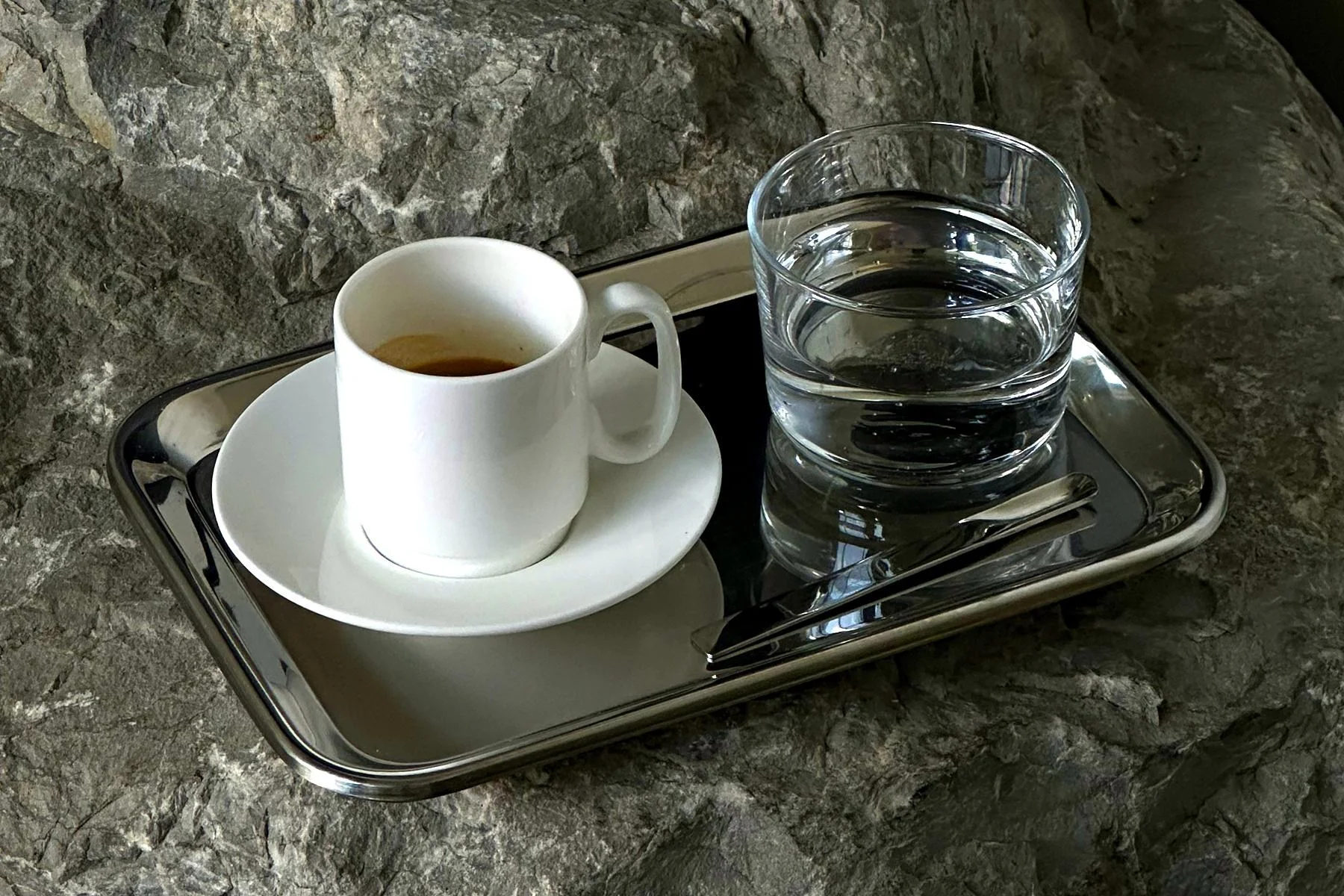
After that brunch, I found myself at Rhythm Zero in Brooklyn, an establishment that resembles an art gallery more than your typical coffee shop. The experience was memorable—not just because of the aromatic brews but also due to an imposing stone placed near the counter, accompanied by another in the bathroom. This led me to ponder whether large rocks are becoming a defining motif in NYC dining. Restaurants are increasingly looking for ways to connect customers to nature, offering a tactile reminder of the world outside the concrete jungle.
The Unique Approach of Pizza 4P's
The trend is epitomized at Pizza 4P's, a new venture from Vietnam that has taken this concept to an exciting extreme. The Brooklyn location of this restaurant features six substantial boulders that were specially selected and transported from a stone wholesaler in New Jersey. Upon entering, customers are greeted by a rock-shaped host stand and stones artfully arranged throughout the dining area, fundamentally altering the restaurant's layout. This approach raises questions about the manifestation of location identity within the dining experience.
Kazuya Kubota, the global branding director, explained that the positioning of these stones was carefully thought out to enhance the atmospheric qualities of the space. In a world where many restaurants opt for generic decor, the rocks stand out not only for their visual weight but also for the narrative they create. None of these boulders have been altered; instead, they were selected for their natural shapes and sizes, with the restaurant's design subsequently molded around them. The largest, weighing around two tons, stands at the heart of the dining space next to a pizza oven, effectively grounding the experience in a tangible sense of nature amidst an industrial aesthetic. This juxtaposition of natural and manufactured elements is a revealing comment on contemporary dining culture.
The Vision Behind Rhythm Zero’s Rocks
At Rhythm Zero, the inspiration came from Japanese design’s emphasis on natural materials, reflecting a desire to create an inviting and surprising atmosphere within the café. Owner Ivana Somorai initially featured a minimalist setup with just a few rocks and a tangerine tree. However, a redesign incorporated more seating while intentionally retaining the stones that had come to symbolize the café's identity. This conscious decision elevates the rocks beyond mere decoration—they've become integral components of the experience.
Somorai remarked that these rocks unexpectedly transformed into popular gathering spots, shifting how patrons interact with the café’s space. It’s interesting to consider how these non-human elements facilitate social interaction; one rock, for example, became a favored area among regulars, while the addition of a rock in the bathroom aimed to evoke surprise and intrigue. This interplay between design and social dynamics underscores the importance of thoughtfully integrating elements that encourage community engagement. (And this is the part most people overlook: how a simple rock can reshuffle social interactions.)
A Global Perspective on the Trend
Pizza 4P’s philosophy operates on a wider scale, with each of its global locations tailored to reflect local themes through their decor choices. In the U.S., the ethos is focused on absorbing the essence of nature and weaving it into the restaurant experience. Kubota points out that each venue maximizes its unique characteristics; while Brooklyn features boulders, locations abroad may embrace other natural elements, adapting to the cultural context in which they exist. This adaptability is critical in ensuring that the restaurant's design resonates with its audience, enhancing both authenticity and connection.
A Shift in Focus
Interestingly, during my recent visit to Rhythm Zero, I discovered that the rock situated outside the bathroom had been moved as part of a renovation. Somorai referred to this change simply, stating that the stones would find new life in Transmitter Park. This reflects a natural shift in their space that emphasizes flexibility in design. As this trend continues, it suggests a playful relationship with elements that may initially seem static but are, in practice, fluid and evolving—just like the dining experiences they help create.
As these design trends proliferate, it’s evident that New York restaurants are not merely about food. They are becoming spaces for creativity, exploration, and interaction. What this means for you, whether a diner or a restaurant owner, is that the design can provoke curiosity, foster connections, and elevate the overall dining experience—all while bringing a slice of nature to urban landscapes.
Implications and Future Outlook
The integration of rocks in restaurant design might seem trivial, but it hints at broader cultural shifts. As urban dwellers increasingly seek solace and connection to the natural world, these design choices acknowledge that desire. Restaurants may serve as more than mere dining venues; they could transform into therapeutic spaces that foster well-being through intentional design.
Looking ahead, if this trend holds, we could see an array of unconventional materials like reclaimed wood, living plants, and water features emerging in restaurants. This could reshape our environments, enhancing consumer experiences in nuanced ways. As diners, we may find ourselves yearning for more multisensory interactions in spaces that feel alive—just like those large rocks.



Discussion
Sign in to join the discussion.