Caroline Zimbalist's Spring 2027 collection merges art and wearability, highlighting nature-inspired designs and experimental textiles.
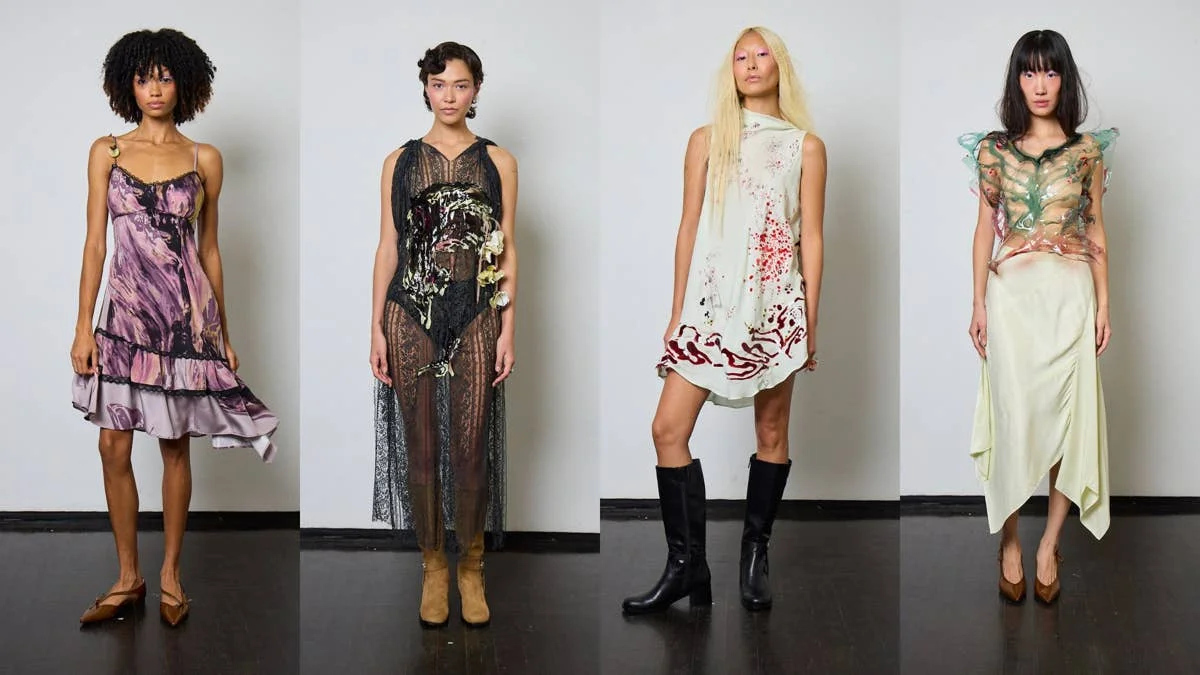
Caroline Zimbalist is building on her previous success with her second season featured on the CFDA calendar, and her Spring 2027 collection shows a clear shift towards more wearable, commercially viable pieces. Known for her striking sculptural designs, Zimbalist emphasizes a nuanced approach in her latest work by integrating “biodegradable bioplastics” to create garments that are not just art pieces but also functional attire.
Evolution of Design Philosophy
Zimbalist’s transition to more wearable designs reflects a growing trend in the fashion industry: the need for clothing that is not only aesthetically pleasing but also practical. Many designers are increasingly aware that consumers prefer garments that fit seamlessly into their daily lives, merging style and function. This collection signals Zimbalist’s adaptability and responsiveness to market demands.
In her previous works, Zimbalist often focused on avant-garde designs that emphasized sculptural forms. While these pieces captured attention and sparked conversations, they weren't always suitable for everyday use. By pivoting towards functional fashion, she’s aligning herself with a broader movement in the industry, where accessible designs are paramount. This approach may not just bolster her sales but also enhance her brand's longevity in a competitive marketplace.
A Shift Towards Sustainability
The incorporation of “biodegradable bioplastics” into her collection is not merely a trend-driven choice; it represents a concerted effort towards sustainability in fashion. The industry has been grappling with its environmental impact for years, and more designers are now prioritizing eco-friendly materials. Zimbalist is clearly positioning herself at the forefront of this movement, a strategy that may resonate well with a consumer base that increasingly values ecological responsibility.
During the Spring 2027 presentation, she shared her evolution of biomaterial techniques: “I’ve really evolved the biomaterial technique so now it truly is almost coming into and out of the fabric.” This statement not only indicates her technical prowess but also suggests a deep understanding of how materials affect both the garment's performance and its aesthetic appeal. It's a balancing act that many emerging designers might overlook, yet Zimbalist seems to have mastered it.
Design Features and Artistic Metaphors
This collection features an array of items aimed at enhancing wearability. The lineup includes asymmetrical ruffled slips, wide-leg pleated pants, and halter-neck maxi dresses, blending aesthetics with practicality. Drawing from nature, Zimbalist's vibrant prints are inspired by insect markings, capturing the concept of shedding one's exterior—a compelling metaphor for personal transformation.
The idea of transformation resonates deeply in fashion, where clothing often serves as a form of self-expression. Zimbalist’s use of these natural motifs not only emphasizes beauty but also taps into the notion of change, making her collection particularly poignant in today's fast-paced world, where individuality is often sought after and celebrated.
Also, let's talk about the playful yet meaningful elements present in her designs. Zimbalist introduced striking "exoskeletons," colorful hard-shell designs that evoke the molting process. Butterfly wings grace various bodices while dragonfly motifs elegantly embellish lace dresses. Instead of meticulously positioning each bio-sequin onto silk, Zimbalist innovates through a pointillist technique, embedding the sequins directly into the fabric for a more dynamic visual impact. This approach not only adds depth but seamlessly blends artistry with practicality—an aspect so often overlooked in the rush towards minimalism.
Consumer Reactions and Market Position
As the fashion world anticipates the new season, Zimbalist's collection stands out not just for its visual artistry but for its commitment to merging art with earnest wearability. The market response will be critical; while her focus on sustainability and functionality aligns with a shift in consumer values, how effectively she can translate that into sales remains to be seen.
Historically, collections that may appear avant-garde can fall flat if they don't translate into consumer buying behavior. However, if Zimbalist effectively communicates her design intentions and the sustainability aspect of her materials, she may very well secure a place in consumers' wardrobes. The key will be ensuring that her artistic vision does not alienate those looking for practicality in fashion.
Implications for the Future of Fashion
This shift toward more functional, sustainable designs reflects a broader move within fashion to harmonize creativity with consumer needs. If you're working in this space, take note—consumers are becoming increasingly discerning, with a preference for garments that tell a story and allow for versatility in wear. Zimbalist is showcasing the potential for designers to not only innovate but also make a clear statement about the values they embody, standing at the intersection of art and everyday life.
What this means for future collections is significant. As fashion continues to evolve, embracing sustainable practices and wearability is likely to feature prominently in all major designers’ strategies. The success of this collection could serve as a blueprint for others—showing that art can retain its high status while still being functional. Zimbalist's Spring 2027 offerings not only expand her repertoire but also offer insights into the evolving attitudes towards fashion consumption in a more conscious era. Explore the complete looks from Caroline Zimbalist’s inspiring Spring 2027 collection in the images that follow.



Discussion
Sign in to join the discussion.