Xavi reveals his strategy of announcing lineups just before matches to maintain player focus and team cohesion, despite mixed reactions.
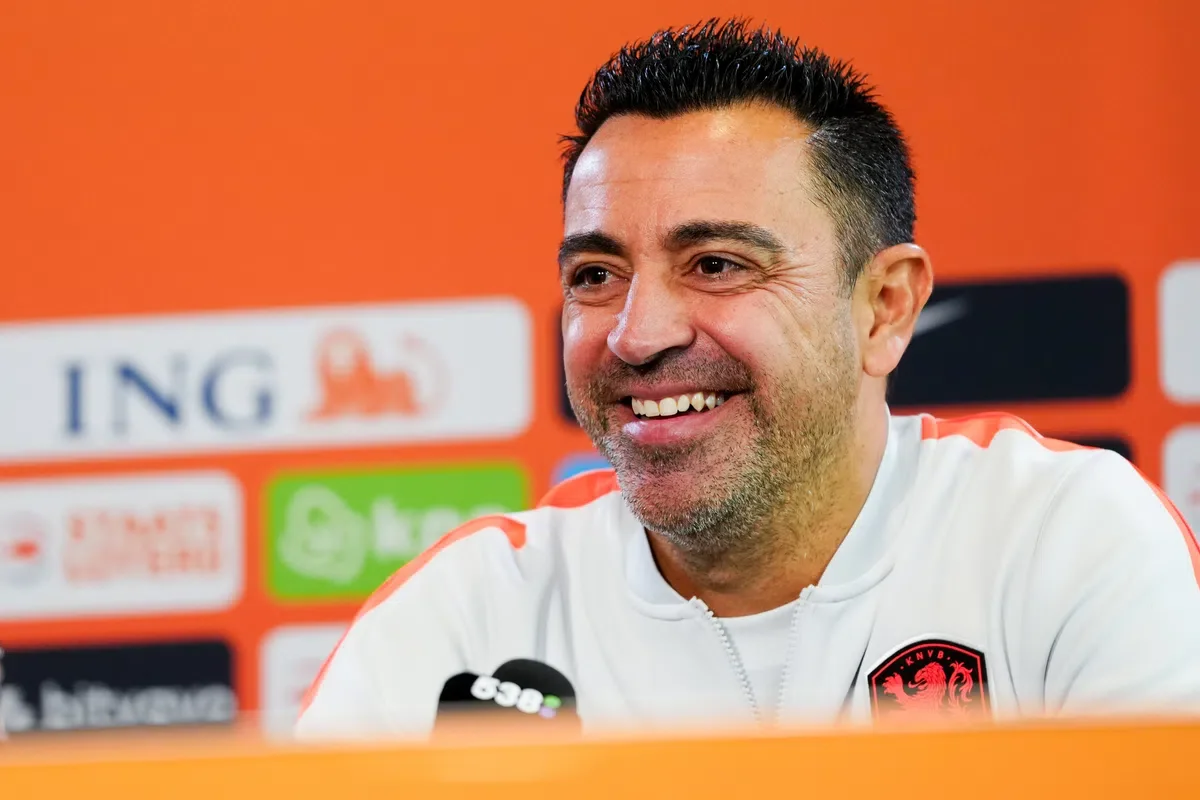
Xavi’s choice to disclose his starting lineup just 90 minutes before each match has raised eyebrows, especially ahead of the upcoming clash with Serbia. During a recent press conference, Xavi explained this approach as a strategy to keep players concentrated. 'I find it beneficial because everyone remains engaged. Personally, I never enjoyed knowing in advance that I wouldn’t play. I want my players to feel united until just an hour or two before kickoff when they learn the lineup.'
Psychology Behind Late Lineup Announcements
Xavi's method isn’t just a quirky coaching style; it taps into deeper psychological aspects of team dynamics. By waiting until the last minute to announce the lineup, he aims to maintain a heightened level of engagement among all players, including those who might not make it into the final 11. The mental state of players can significantly impact their performance, and Xavi seems keenly aware of this. He recalls his own experiences as a player where early announcements about game participation would lead to a drop in motivation. Essentially, when players know they won’t be featured, they might unconsciously ease off in training as well as during tactical discussions.
In many team sports, mentality and morale are crucial. Studies in athletic coaching often highlight that maintaining a cohesive atmosphere contributes significantly to performance on the field. The method Xavi employs may be a means of fostering solidarity and keeping spirits high as the team prepares for competition. And yet, this method has its critics. The tight timelines leave little room for players to mentally prepare for their roles, one of the core aspects of elite sports performance.
Players' Perspectives on the Late Announcement
During the press conference, defender Micky van de Ven shared a different viewpoint. 'I’d actually prefer to know a bit earlier, maybe the day before. But this is something we have to accept. I’ve never encountered this strategy before, though I’ve heard from others that it’s common among Spanish coaches. Perhaps it’s a cultural thing. Still, it’s interesting to give it a go.' His comments underline a vital aspect of coaching dynamics: the balance between maintaining team morale and satisfying players' needs for preparation.
What stands out here is the notion of cultural differences in coaching methods. Many consider the Dutch football philosophy to emphasize direct communication and structured preparation, in stark contrast to what some may see as the more intuitive or instinctual approach prevalent in Spanish coaching circles. Van de Ven’s comments hint at a potential cultural clash, something that could surface more as the Netherlands progresses in international competitions. The penchant for psychological engagement common to Southern European football may provide tools for unification but can clash with a player's need for early preparation.
Nations League Challenge Ahead for the Netherlands
Following a disappointing World Cup run, the Netherlands now gears up for the next challenge: the Nations League for the 2026/27 season. Oranje will head into a demanding group stage facing off against Germany, Serbia, and Greece—all of which represent different styles and strengths. For a team seeking redemption after a lackluster World Cup, this stage offers both a formidable challenge and a critical opportunity to set a new tone for their competitive future.
The Nations League not only reflects a competitive arena but also serves as a litmus test for the strategic choices made by both coaches and players. It's here that Xavi's strategy and Van de Ven's comments regarding lineup announcements will come under scrutiny. If the late-lineup tactic pays off with positive results, it may establish Xavi’s approach as an effective method, particularly in international play. Conversely, if the Netherlands falters against this level of competition, the method may invite criticism and calls for a more traditional approach to team preparation.
If you're eager to dive deeper into the international tournament, visit our dedicated Nations League page for the latest updates, news, schedule, and standings. For in-depth stories about the Dutch national team, check out VI PRO and stay updated on everything about Oranje in the Nations League.
Implications for Future Coaching Strategies
This unique approach to announcing the starting lineup has implications beyond just this current team. What Xavi’s decision reveals is a potential shift in coaching philosophies, particularly among European football cultures. Many coaches worldwide are exploring unconventional tactics to maximize player engagement and maintain a competitive edge. It raises a broader question: will we see more coaches adopting similar methods in the coming seasons? Or is this merely a temporary experiment that will soon fade? And what could be the long-term effects on player psychology?
As more teams navigate the pressure of international play, they may need to adapt their strategies based on Xavi’s findings. Coaches across the board are challenged to find what truly motivates their players, and the concept of last-minute lineups might just be one way to keep players on their toes and mentally alert. The matchup against Serbia will be an important indicator of whether this approach translates into success on the pitch.
Discussion
Sign in to join the discussion.