David Wilcock, a prominent paranormal figure, left suicide notes before his death, prompting discussions on mental health access and compassion.
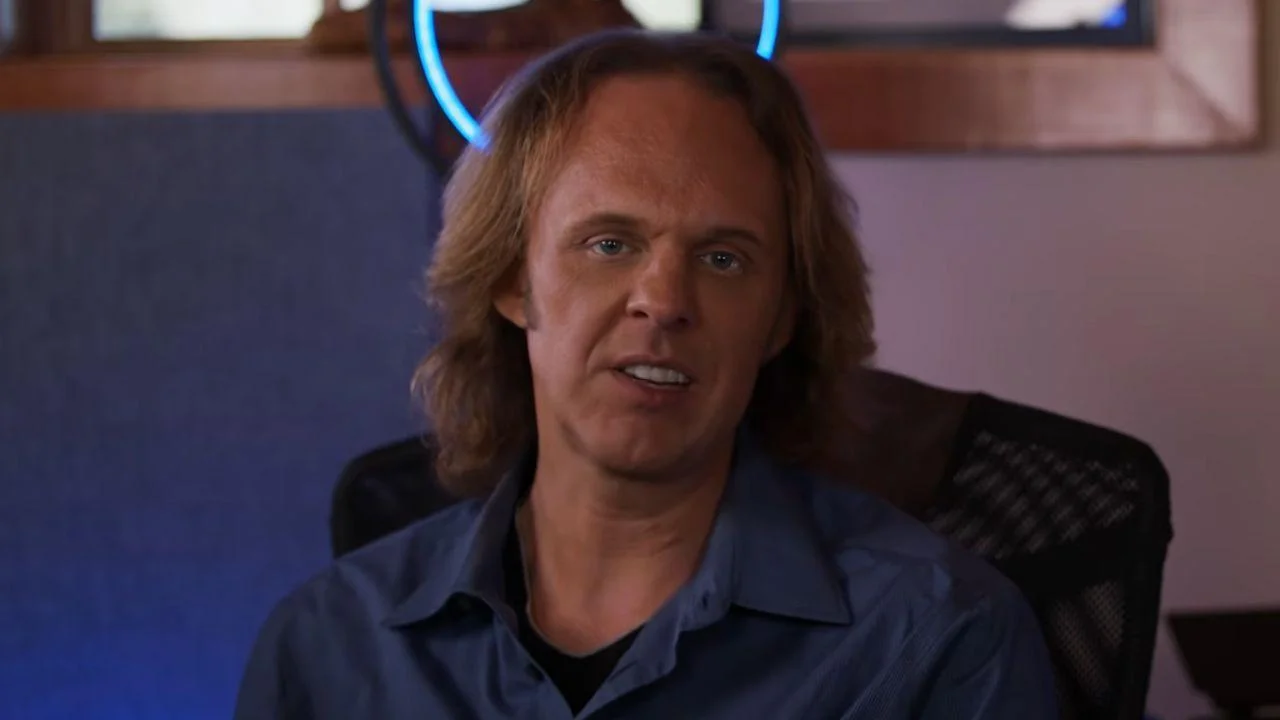
Renowned author and paranormal researcher David Wilcock was found deceased on April 20, 2023, in Colorado, at the age of 53. An autopsy report revealed he left multiple suicide notes along with beneficiary lists, shedding light on the personal struggles he faced.
The Critical Timeline of Events
Wilcock's final hours took a tragic turn when he called emergency services at 10:44 a.m. on the day of his death, voicing concerns over his health and escalating financial pressures. This phone call paints a vivid picture of his mental state. He was grappling with mounting stressors that many can relate to, particularly the pressures of financial instability. Upon arrival, deputies discovered his body at the scene, confirming that he had no other individuals with him at the residence. The urgency of his call and subsequent actions reflect a desperate attempt to seek help. The coroner’s office officially identified him two days later, on April 22, with the Boulder County Sheriff's Office releasing further details shortly after, always with the family's consent. Such measures are typical in cases like this, aimed at ensuring that family privacy is respected as they navigate an unthinkable loss.
Unpacking Mental Health Challenges
In comments made to authorities, Wilcock’s family disclosed that he battled persistent depression and was overwhelmed by significant financial challenges. Their statement not only personalizes his struggle but serves as a reminder that mental health issues are often compounded by external pressures. The family hoped that addressing his struggles would raise awareness about the need for better mental health resources. Their desire to speak out is vital; many families endure similar heartaches without publicly discussing them.
Family members depicted Wilcock as an introspective individual who developed a passion for books and questions surrounding existence from an early age. This intellectual pursuit often creates a sense of isolation, particularly for individuals like Wilcock, who wrestled with complex ideas that mainstream society sometimes neglects. Those close to him understood the depth of his mental health issues, which often went untreated. Mental health treatment options, especially for those who delve into realms of thought and belief that diverge from the norm, remain inadequate in many cases. As they navigate their grief, the family has requested their privacy during this difficult time, underscoring the need for space to mourn and process their loss.
Responding to Speculation
Amid ongoing speculation regarding Wilcock’s death, his family firmly dismissed any notions of foul play, affirming the lack of any cover-up related to his passing. Speculation can be a double-edged sword; while it often arises from a place of curiosity, it can also undermine the gravity of lived experiences. They expressed their desire for compassion over conjecture, especially given some controversy surrounding aspects of his work. Debates about public figures can rapidly become sensationalized, detracting from the real issues at hand.
In memory of Wilcock, his relatives encouraged donations to respected organizations such as the Crisis Text Line and the American Foundation for Suicide Prevention, emphasizing the importance of mental health awareness. This call to action highlights an essential avenue for combating stigma and fostering community support. Financial contributions can aid in building the resources necessary for those in need of assistance, thereby creating a proactive approach to mental health.
Wilcock’s Legacy Beyond the Page
David Wilcock built a significant following through his exploration of paranormal phenomena and UFO-related topics, often associated with the disclosure movement that seeks to unveil government-held secrets about extraterrestrial life. His works included popular titles like The Source Field Investigations, The Synchronicity Key, and The Ascension Mysteries, marking him as a bestselling author. The nature of his writing often invited critical evaluation but also cultivated a loyal readership drawn to unconventional narratives.
Beyond his books, he was a familiar face on History’s Ancient Aliens and was involved as a consulting producer for the series. While the series often blurs the line between fact and speculation, Wilcock's contributions were instrumental in shaping public discourse on these topics, appealing to a niche yet enthusiastic audience. His digital content, including videos and articles, resonated with millions, contributing to discussions around his field of expertise. The intersection of technology and belief in the unseen presents both challenges and opportunities in how we understand our universe.
As the conversation about Wilcock's life and death unfolds, it underscores an urgent need for societal change in how mental health issues are perceived and addressed. This isn’t just about one individual; it touches on a broader cultural context. We need to ask ourselves why someone like Wilcock, known for his exploration of complex ideas, felt isolated in his struggles. Urging a collaborative effort towards understanding and compassion is vital. If you’re working in this space, take a moment to reflect on how you can contribute to a more supportive community for those facing similar battles.
Implications for the Future
Wilcock's death serves as a stark reminder of the fragility of mental health in a high-pressure world. His life and struggles illustrate a critical intersection between personal challenges and public perceptions. The discussions sparked by his passing could very well influence how we approach mental health advocacy moving forward. Mental health resources must evolve to address the unique needs of individuals, especially those who navigate unconventional ideas and beliefs that aren't always well understood. The hope is that through the lens of tragedy, a greater awareness will emerge, motivating individuals to seek out support and for communities to ensure such support is readily available. A collaborative societal approach could redefine mental health conversations and ultimately save lives.



Discussion
Sign in to join the discussion.